Understanding the rm1.to Login Process
The rm1.to login process is an essential element for users wanting to access their accounts on RussianMarket. This platform provides various services, allowing users to manage their accounts, make transactions, and view analytics. However, understanding the intricacies of the login process is crucial for a seamless experience, especially in today’s digital age where security and efficiency are paramount.
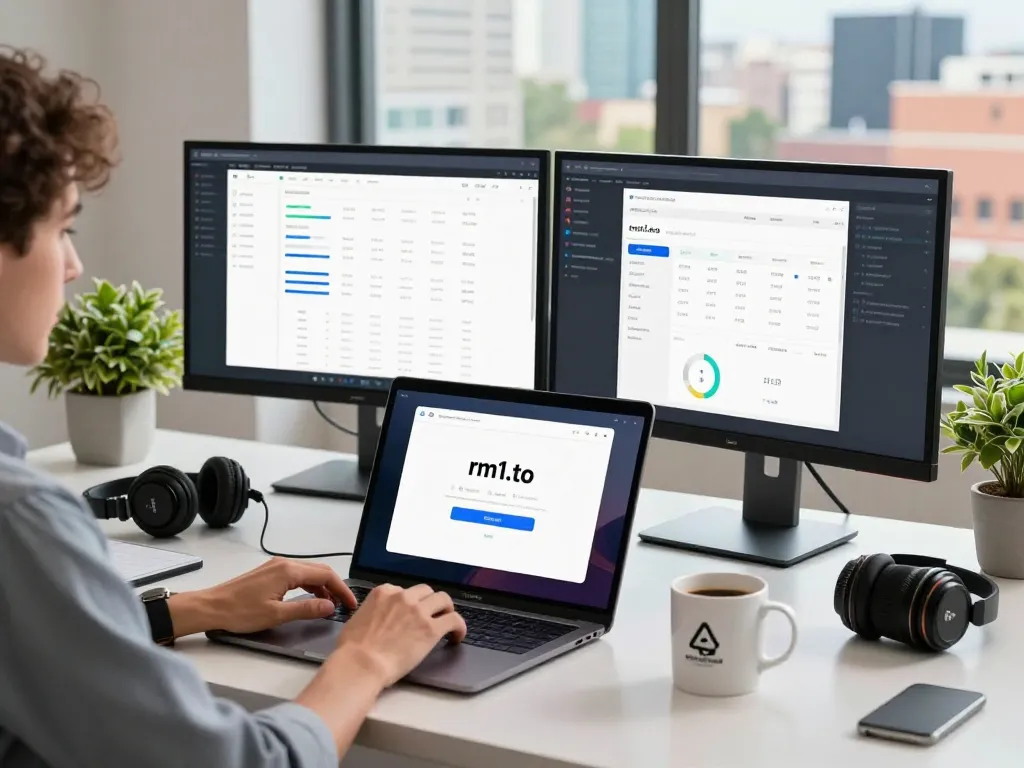
To begin with, users need to be aware that the rm1.to login page serves as the secure entry point for individuals who have established accounts on the RussianMarket platform. Designed to be user-friendly and efficient, it allows users to quickly input their credentials and access their personalized dashboards without hassle.
What is rm1.to and Its Purpose?
rm1.to is a login entry point for the RussianMarket platform, which is known for its extensive marketplace tailored for specific audiences. Users can engage in various online activities, ranging from purchasing products to accessing marketing tools and resources. The simplicity of the site is intentional, allowing individuals from diverse backgrounds to navigate and utilize the services effectively.
Steps to Access Your rm1.to Login
Accessing your rm1.to login is straightforward. Here are the essential steps to follow:
- Open your web browser and navigate to the rm1.to login page.
- Input your registered email address and password in the respective fields.
- Click on the ‘Login’ button to gain access to your dashboard.
- If you have enabled two-factor authentication, follow the prompts to verify your identity.
In case you encounter issues, ensure that your login details are correct, and that your internet connection is stable.
Importance of Secure Login Practices
Practicing secure login methods cannot be overstated. Many users inadvertently expose themselves to cyber threats by using simple passwords or accessing their accounts from unsecured networks. Here are a few tips to enhance your security:
- Always use complex passwords that include a mix of letters, numbers, and symbols.
- Change your password regularly to further protect your account.
- Be cautious of phishing attempts that mimic the login page.
- Utilize a password manager to securely store and generate passwords.
Common Challenges with rm1.to Login
Frequent Login Issues and How to Resolve Them
Users may encounter specific issues when attempting to log in to rm1.to. Common problems include forgotten passwords, locked accounts due to multiple failed attempts, or even issues stemming from outdated browsers. To resolve these challenges, users should:
- Check the spelling of their email and password.
- Clear their browser’s cache and cookies before retrying the login attempt.
- If the problem persists, consider resetting the password using the ‘Forgot Password’ feature.
Identifying Phishing Attempts Related to Login
Phishing is a common threat that users face, especially when logging into sensitive accounts. Signs to watch for include:
- Email communications that ask for sensitive information, such as your password or two-factor authentication codes.
- Login pages with design discrepancies compared to the official site.
- URLs that misspell or alter the official website address.
Always verify the URL and use bookmarks to access the login page to prevent falling prey to phishing scams.
Resetting Your Password: A Step-by-Step Guide
If you forget your password, follow these straightforward steps to reset it:
- Click on the ‘Forgot Password?’ link on the login page.
- Enter your registered email address and submit the form.
- Check your email for a password reset link.
- Follow the instructions provided in the email to create a new password.
Ensure that your new password adheres to security practices for enhanced protection.
Enhancing Security During the rm1.to Login
Utilizing Two-Factor Authentication
Two-factor authentication (2FA) adds an extra layer of security beyond just the password. Users are required to provide a second form of identification, often through a mobile device. Enabling 2FA enhances account security significantly and is highly recommended for all users of rm1.to.
Best Practices for Password Management
Effective password management is critical. Here are some best practices:
- Create unique passwords for different accounts.
- Change passwords regularly.
- Use a reliable password manager to keep track of your passwords securely.
Monitoring Your Account for Suspicious Activity
Regularly monitoring your account can help detect any signs of unauthorized access. Look for unusual activity such as:
- Login attempts from unfamiliar devices or locations.
- Changes in account settings that you did not initiate.
- Unexpected transactions or notifications.
If you notice anything suspicious, immediately change your password and contact support.
Optimizing Your User Experience on rm1.to
Customizing Your Dashboard After Login
Upon logging in, users can customize their dashboards to suit their needs. This can include adjusting layout preferences, adding shortcuts to frequently accessed features, or opting for specific analytics views that enhance productivity.
Leveraging Analytics Tools for Improvement
Utilizing the analytics tools available on the platform can provide insights into user behavior, allowing for better decision-making. Users are encouraged to familiarize themselves with these tools to maximize their engagement on the site.
Feedback Mechanisms: How to Report Issues
If users encounter any issues while using the platform or have suggestions, they should utilize the feedback mechanisms provided. Reporting problems not only aids the platform in enhancing user experience but also contributes to overall security and functionality improvements.
Future Trends in Online Login Systems by 2026
Anticipating Changes in Security Protocols
As technology evolves, so do the security protocols associated with online logins. By 2026, we can expect to see more robust encryption methods, enhanced biometric identification processes, and possibly the integration of blockchain technology for identity verification.
Integration of AI in User Authentication
The future will likely see the integration of artificial intelligence in user authentication processes. AI can help to analyze login patterns, detect anomalies, and even predict potential vulnerabilities, enhancing overall security.
Preparing for Evolving User Expectations
Users are becoming increasingly tech-savvy and cautious about their online safety. This evolution in user behavior will force platforms to adapt, offering more personalized, secure, and efficient login experiences. Innovative features such as voice recognition or seamless biometric login methods may become the norm.
What should I do if I forget my rm1.to password?
Use the ‘Forgot Password?’ function on the login screen and follow the provided steps to reset your password securely.
How can I ensure my rm1.to account is secure?
Implement two-factor authentication, choose strong passwords, and regularly monitor your account for suspicious activity to maintain security.
What are common phishing signs related to the rm1.to login page?
Common signs include incorrect URLs, suspicious emails asking for personal information, and login pages that do not resemble the official site.
How often should I change my password for rm1.to?
It is advisable to change your password every three to six months or immediately if you suspect a security breach.
How can I access rm1.to from different devices?
You can access your rm1.to account from various devices by simply logging in through the respective web browsers, ensuring you maintain security across all devices.