- Understanding the Role of a New Jersey Commercial General Contractor
- Key Qualities to Look for in a New Jersey Commercial General Contractor
- Evaluating Potential New Jersey Commercial General Contractors
- Common Challenges When Working with a New Jersey Commercial General Contractor
- Frequently Asked Questions About New Jersey Commercial General Contractors
Understanding the Role of a New Jersey Commercial General Contractor
Definition and Responsibilities
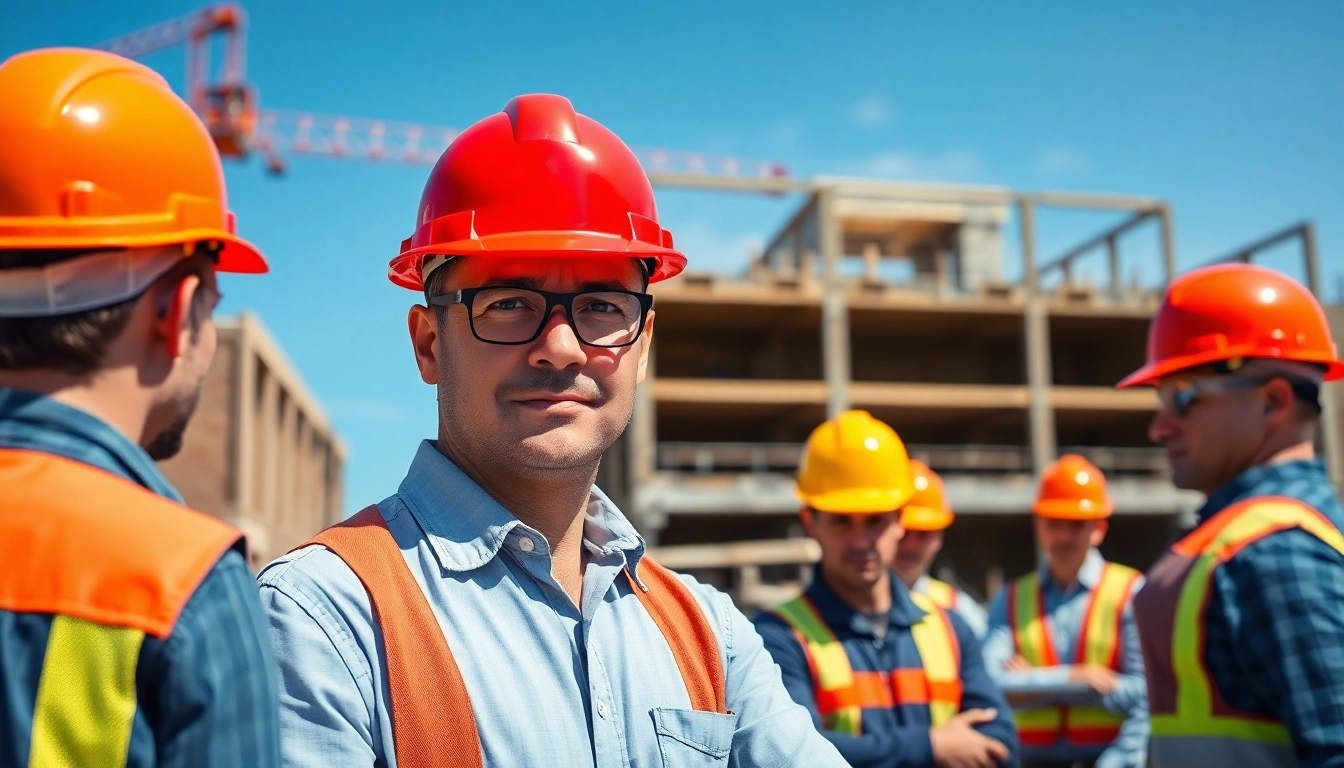
A New Jersey Commercial General Contractor is a professional responsible for overseeing construction projects, ensuring they are completed on time, within budget, and in accordance with all regulations and standards. Their primary responsibilities include managing subcontractors, securing permits, handling procurement of materials, and ensuring that all work complies with both the project specifications and local building codes. As the main point of contact for clients, general contractors play a pivotal role by coordinating communication among various stakeholders, including architects, engineers, and workers.
The Importance of a General Contractor in Construction
The construction landscape is inherently complex, characterized by multifaceted challenges that require expert navigation. A New Jersey Commercial General Contractor is integral to this process, crafting a cohesive strategy for project execution. Their expertise not only minimizes risks associated with delays and budget overruns but also harmonizes the diverse elements of construction, such as labor, materials, and compliance with laws. The general contractor’s ability to foresee potential issues and implement proactive solutions is invaluable for maintaining project momentum and quality.
How General Contractors Impact Project Success
A general contractor’s influence can make or break the success of a construction project. By employing project management principles and tools, they track progress, manage resources, and ensure adherence to timelines. Their capability to effectively delegate tasks to skilled subcontractors while maintaining oversight fosters an environment of productivity and accountability. Furthermore, their established relationships with suppliers can lead to cost-saving opportunities and timely deliveries, reinforcing the overall project schedule.
Key Qualities to Look for in a New Jersey Commercial General Contractor
Proven Experience and Expertise
When selecting a commercial general contractor, experience matters. Look for contractors who have successfully completed projects similar to yours in size and scope. Their knowledge of local regulations and industry best practices can aid in avoiding common pitfalls. A strong portfolio and proven track record signify reliability and the ability to manage unexpected challenges effectively.
Strong Communication Skills
Effective communication is the backbone of any successful construction project. A good contractor should be able to convey information clearly and maintain open lines of communication with everyone involved in the project. This includes not only the client and the construction team but also external stakeholders like inspectors and local authorities. Regular updates and responsiveness can prevent misunderstandings and foster a collaborative environment.
Project Management Capabilities
An essential quality of a commercial general contractor is their project management capabilities. They must be adept at planning, executing, and finalizing projects while managing the various constraints of scope, time, and budget. Utilizing project management software tools can enhance their efficiency in scheduling tasks and tracking progress, which is vital to keeping the project on track and ensuring quality standards are met.
Evaluating Potential New Jersey Commercial General Contractors
How to Review Portfolios and References
Reviewing a contractor’s portfolio gives insight into their past work and expertise. Look for projects that showcase their ability to handle the specific requirements of your project. Additionally, verifying references provides perspectives from former clients on the contractor’s reliability, work ethic, and the quality of completed projects. Speaking directly to previous clients can reveal both strengths and areas of concern.
Assessing Licenses and Insurance
Legal compliance is crucial in construction, making it imperative to check that the general contractor holds the necessary licenses and insurance. An active contractor’s license ensures they are authorized to work in New Jersey and adhere to state regulations. Furthermore, adequate insurance protects you from financial losses due to accidents, damages, or legal claims that may arise during the construction process.
Importance of Client Testimonials
Client testimonials serve as a testament to a contractor’s capabilities and customer satisfaction. They provide real-world insights into the contractor’s approach to project management and problem resolution. Look for consistent themes in testimonials regarding quality, professionalism, and adherence to timelines. A contractor with a solid reputation backed by positive feedback is likely to be a reliable choice for your project.
Common Challenges When Working with a New Jersey Commercial General Contractor
Balancing Budget and Quality
One of the most significant challenges in construction is balancing budget constraints with the need for quality. While it may be tempting to cut costs by opting for cheaper materials or services, this can lead to compromised quality and future repair costs. A skilled general contractor understands the value of quality and can help devise strategies to maintain standards while staying within budget, such as negotiating with suppliers for better rates without sacrificing material integrity.
Managing Timelines and Schedules
Delays in project timelines can lead to increased costs and client dissatisfaction. General contractors are responsible for managing the project schedule efficiently, which includes coordinating equipment, labor, and materials. Employing effective scheduling techniques and contingency plans can mitigate the risk of delays related to weather, supply chain disruptions, or unforeseen issues. An experienced contractor should also communicate potential schedule adjustments promptly to keep all stakeholders informed.
Resolving Disputes Effectively
Disputes can emerge from misunderstandings, unmet expectations, or contractual disagreements. It’s crucial for a general contractor to have a solid conflict resolution strategy in place. Open and honest communication can often de-escalate tensions. When disputes arise, mediation or arbitration can be effective ways to reach a resolution without letting issues derail the project. A contractor who prioritizes transparency and negotiation is an asset in minimizing disputes during construction.
Frequently Asked Questions About New Jersey Commercial General Contractors
What services do New Jersey Commercial General Contractors provide?
New Jersey Commercial General Contractors offer a wide range of services, including project management, subcontractor coordination, procurement of materials, and ensuring adherence to regulations and quality standards throughout the construction process.
How do I determine the cost of hiring a general contractor?
The cost of hiring a general contractor can vary based on project scope, location, and complexity. It typically includes labor, materials, permits, and overhead. Request detailed estimates from multiple contractors to compare costs effectively.
What should I ask a general contractor before hiring?
Before hiring a general contractor, inquire about their previous experience, project timelines, payment terms, how they handle disputes, and their approach to quality control. These questions will provide valuable insights into their suitability for your project.
Can I manage a construction project without a general contractor?
Yes, it’s possible to manage a construction project without a general contractor; however, it requires substantial knowledge of construction processes, regulations, and project management skills. The risks of poor management can outweigh potential savings.
How important is licensing for a general contractor?
Licensing is crucial for general contractors as it demonstrates their compliance with state regulations and standards. It also ensures that they have the necessary training and expertise to manage construction projects safely and effectively.