What Defines Cape Cod Homes
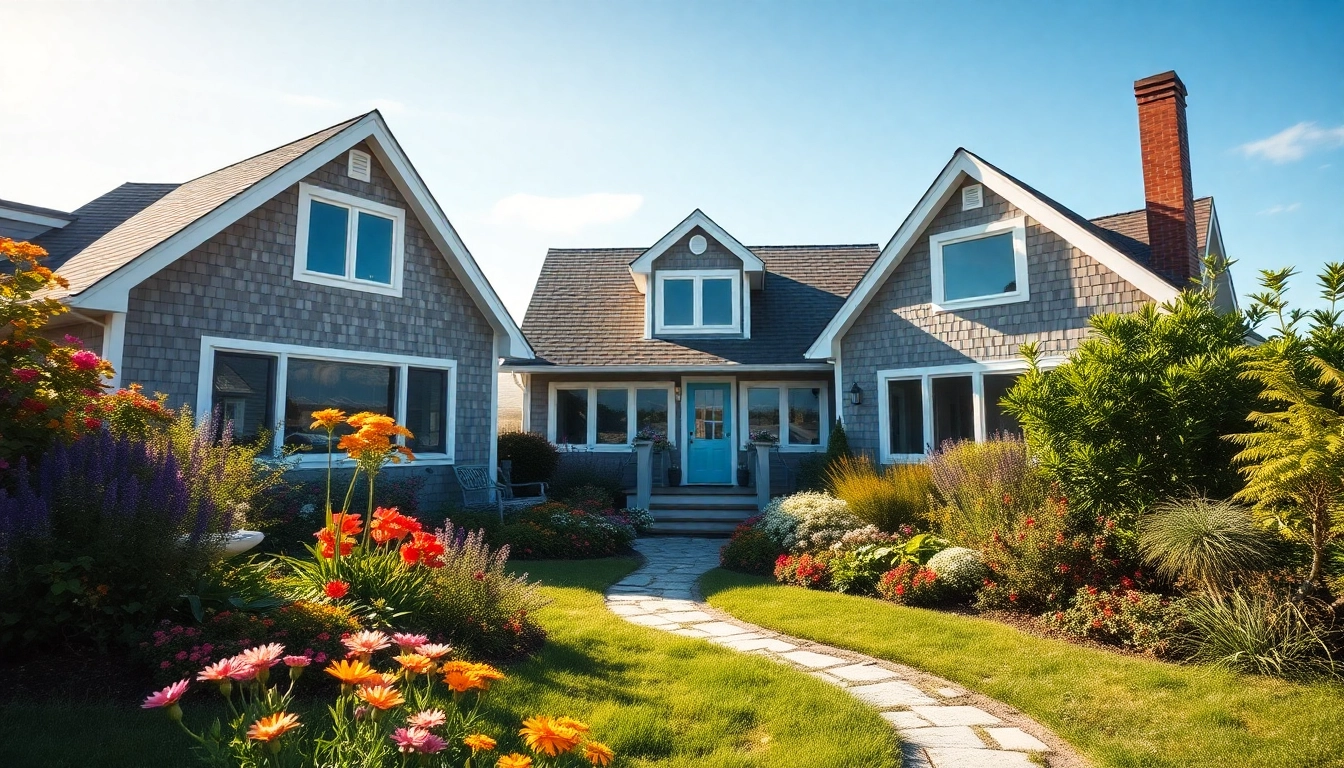
Cape Cod homes are an architectural icon, radiating charm and simplicity that resonates with coastal living. Originating in colonial New England, this style has evolved while maintaining its distinctive appeal characterized by steep roofs, dormers, and a cozy, informal feel. As you explore cape cod homes, you'll discover their unique contributions to both aesthetic and functional living spaces.
Architecture Styles of Cape Cod Homes
The quintessential Cape Cod design is deeply rooted in practicality, born from the need for shelter against harsh weather conditions. The most notable architectural features include:
- Steep Roofs: These roofs are designed to prevent heavy snow from accumulating and melting away quickly.
- Dormer Windows: Dormers are used to light the attic spaces, providing both natural light and ventilation.
- Symmetrical Design: A hallmark of Cape Cod homes, the balanced layout enhances aesthetic appeal and functional use.
While the original variations of Cape Cod homes were simple one-and-a-half-story structures, contemporary designs often incorporate larger footprints, allowing for various family needs and modern amenities.
Common Features and Materials
Common features that define Cape Cod homes include:
- Wood Siding: Traditional Cape Cod homes often feature clapboard siding, typically painted in white or pastel shades.
- Chimneys: Prominently placed, either centrally located or at the gables, adding character to the home.
- Front Porches: Encouraging leisurely family time, porches provide a transitional space between indoors and outdoors.
Materials are typically durable and weather-resistant, such as cedar shingles, which blend seamlessly with the coastal environment.
Regional Variations Within Cape Cod Homes
Although the Cape Cod style has a definitive core, variations exist depending on the region. For instance:
- Classic Cape Cod: Predominantly found in Massachusetts, this style retains historical features.
- Modern Adaptations: Seen in newer constructions that blend traditional aesthetics with contemporary elements.
- Beachside Versions: Homes located close to the coast often feature larger overhangs and decks to take advantage of ocean views.
These adaptations reflect the changing lifestyle needs and regional climates, making Cape Cod homes versatile across different landscapes.
Benefits of Choosing Cape Cod Homes
Opting for a Cape Cod home comes with numerous advantages making it a popular choice among homeowners:
Coastal Charm and Aesthetic Appeal
The innate beauty of Cape Cod homes lies in their harmonious design that blends with natural surroundings. The simplicity, combined with elegant details, promotes a welcoming environment. The use of natural materials and muted color palettes also enhances their visual appeal.
Energy Efficiency and Sustainability
Modern Cape Cod homes are designed with energy efficiency in mind. With improved insulation, double-glazed windows, and energy-efficient appliances, homeowners can enjoy reduced energy bills while minimizing their environmental impact. Many builders now use sustainable materials, promoting eco-friendly living.
Adaptability to Family Needs
Cape Cod homes are incredibly versatile, allowing for expansions, additional bedrooms, or open-concept living spaces that cater to growing family needs. Their flexible design enables homeowners to modify their space without compromising the architectural essence.
Design Inspiration for Your Cape Cod Home
Designing a Cape Cod home offers an excellent opportunity to meld classic charm with modern functionality. Here are some inspiring ideas to consider:
Interior Design Ideas
To maintain the cozy feel of a Cape Cod home, consider the following:
- Colors: Use a palette of soft blues, warm whites, and earthy tones to echo the coastal theme.
- Furnishings: Choose natural materials, like wooden furniture and linens, for a refined yet comfortable interior.
- Lighting: Incorporate beachy fixtures like lanterns and fresh designs that evoke a seaside vibe.
Outdoor Spaces and Landscaping
Creating outdoor spaces that reflect the spirit of Cape Cod homes involves:
- Patios and Decks: Essential for enjoying warm evenings, these areas should offer seating and dining options.
- Gardens: Native plants and coastal-friendly landscaping—think hardy perennials and drought-resistant options.
- Outdoor Lighting: String lights or lanterns provide ambiance, highlighting features in the landscape.
Smart Technology Integration
Besides aesthetics, consider modern conveniences such as:
- Smart Thermostats: Enhance energy efficiency by controlling heating and cooling remotely.
- Home Security Systems: Protect homes with smart locks and video surveillance systems that ensure safety.
- Smart Lighting: Allow homeowners to control lights via apps, enhancing both convenience and energy savings.
Challenges of Cape Cod Homeownership
While Cape Cod homes are beautiful and practical, potential owners should be aware of challenges that may arise:
Maintenance Concerns and Solutions
Maintaining a Cape Cod home often involves regular powder coating of wooden elements to protect against weather, particularly in coastal areas. Regular inspections can help identify and solve these problems before they escalate.
Insurance and Storm Preparedness
Due to their coastal locations, homes may face higher insurance premiums and types of coverage focusing on flood and wind damage. Homeowners should ensure they understand their policies and consider additional coverage tailored to storm preparedness.
Resale Value Considerations
The classic appeal of Cape Cod homes tends to hold their value well in the real estate market. However, factors such as market fluctuations, condition, and desirable features will ultimately impact resale value.
Frequently Asked Questions about Cape Cod Homes
What is the history behind Cape Cod homes?
Cape Cod homes originated in the 1600s, designed to withstand harsh New England winters. Their practical style reflects colonial influences and regional needs.
Are Cape Cod homes energy efficient?
Yes, many modern Cape Cod homes incorporate energy-efficient designs, including insulation and energy-efficient windows, making them sustainable options.
What materials are commonly used in Cape Cod homes?
Common materials include wood siding, cedar shingles, and vinyl, chosen for their durability and ability to withstand coastal elements.
How can I decorate a Cape Cod home?
Focus on a coastal color palette with soft hues, incorporate natural materials, and add decor that highlights the seafaring spirit of Cape Cod.
What should I know about maintaining a Cape Cod home?
Regular maintenance is crucial, particularly for wood siding and roofs. Seasonal inspections and timely repairs can prevent larger issues.