Understanding the 2400 BTU Mini Split System
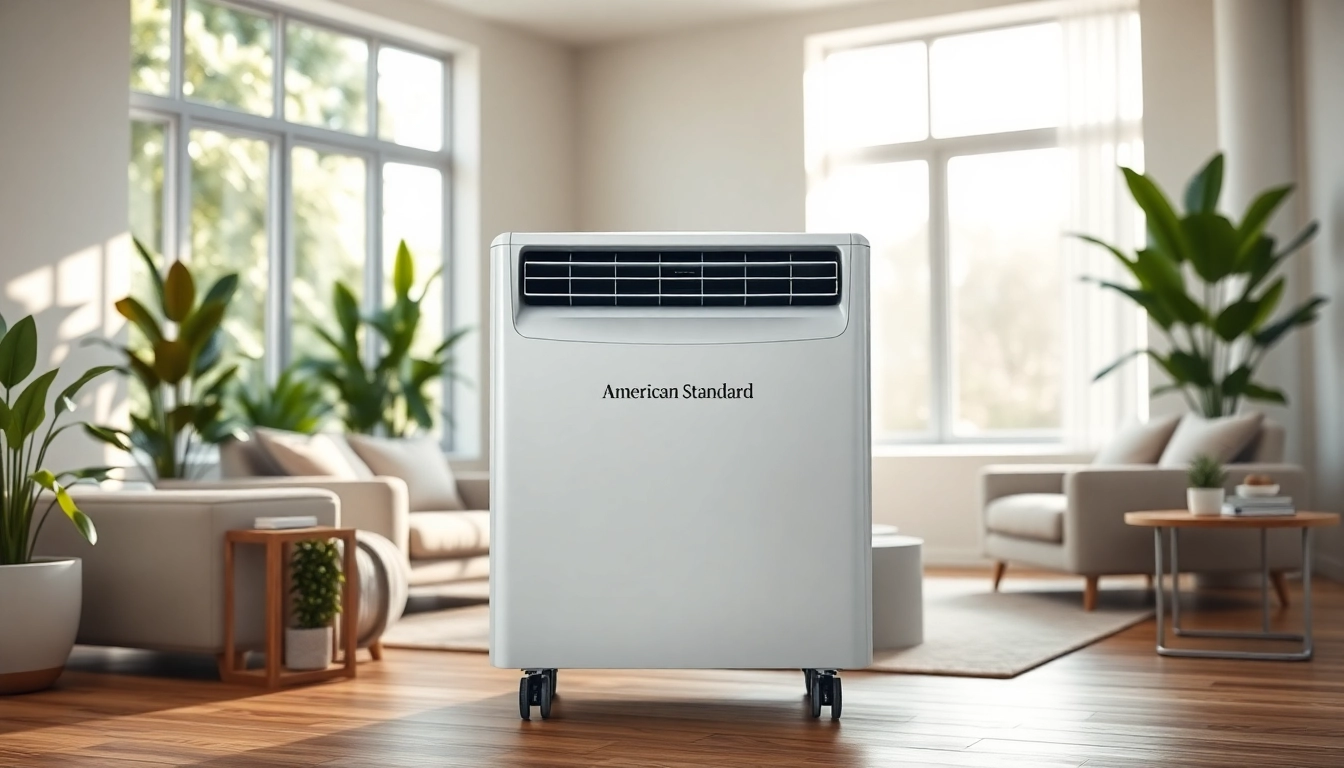
As home heating and cooling technology continues to evolve, the 2400 BTU mini split system is becoming an increasingly popular choice for homeowners seeking efficient climate control solutions. Offering both heating and cooling capabilities in a compact design, these systems are designed to cater to various space requirements. The flexibility, efficiency, and modern features of mini splits allow homeowners to achieve comfortable indoor environments without the extensive ductwork associated with traditional systems. When exploring options, 2400 btu mini split systems provide comprehensive insights into energy-efficient solutions that work for a variety of spaces.
What is a Mini Split System?
A mini split system, also known as a ductless split system, consists of two main components: an indoor air-handling unit and an outdoor compressor unit. This design allows for efficient temperature regulation without the need for ductwork, making them ideal for homes where installation of traditional systems may be impractical. The mini split system utilizes refrigerant to transfer heat between the indoor and outdoor units, providing effective heating or cooling as needed.
Key Features of 24000 BTU Units
24000 BTU mini split systems are specifically designed to provide powerful cooling and heating for larger spaces, typically accommodating areas up to 1500 square feet. Key features include:
- Energy Efficiency: Many models boast high SEER (Seasonal Energy Efficiency Ratio) ratings, which can lead to lower energy bills.
- Multi-Functionality: These units often serve as both air conditioners and heaters, offering year-round comfort.
- Quiet Operation: The units are engineered to produce minimal noise, promoting a peaceful indoor environment.
- Smart Technology Compatibility: Many models support Wi-Fi connectivity, allowing for remote control and scheduling through mobile applications.
How the 2400 BTU Mini Split Works
Understanding how a 2400 BTU mini split operates is essential for maximizing its benefits. The system works through the refrigeration cycle, which involves:
- Evaporation: The indoor unit absorbs heat from the room as refrigerant evaporates, lowering indoor temperature.
- Compression: The outdoor unit compresses the refrigerant, raising its temperature and pressure.
- Condensation: The heated refrigerant releases heat outdoors as it condenses back into a liquid.
- Expansion: The refrigerant returns to the indoor unit to repeat the cycle.
Benefits of Using a 2400 BTU Mini Split
Energy Efficiency and Savings
One of the most significant advantages of 2400 BTU mini split systems is their energy efficiency. Compared to traditional air conditioning systems, mini splits often consume less energy while providing the same level of comfort. This efficiency translates into savings on energy bills, making them an economically viable choice for homeowners.
Improved Indoor Air Quality
Mini splits generally come equipped with advanced filtration systems that improve indoor air quality by trapping dust, allergens, and pollutants. Good air quality is essential for health, especially for individuals with allergies or respiratory issues. Additionally, since mini splits do not rely on ductwork, they eliminate the risk of dust accumulation and mold growth commonly found in traditional HVAC systems.
Flexible Installation Options
The design of mini split systems allows for versatile installation options. Homeowners can choose to mount the indoor unit on walls, ceilings, or even have floor-mounted units, depending on their interior layout. This flexibility makes it easier to integrate the system into various spaces without significant renovations.
Choosing the Right Model for Your Needs
Sizing Your Space: Rooms and BTU Requirements
Choosing the correct BTU rating is critical for effective climate control. A 2400 BTU unit is suitable for spaces up to 1500 square feet, but factors like ceiling height, insulation quality, and geographic location also play a role in determining the ideal capacity. Proper sizing ensures that the system operates efficiently and maintains the desired temperature without overworking itself.
Comparing Brands and Features
When selecting a 2400 BTU mini split, consider various brands and their unique features. Look for models with high energy efficiency ratings (SEER), noise level ratings, and smart technology integration. Reputable brands often provide extensive warranties and support, which can be crucial for long-term satisfaction.
Understanding Installation and Maintenance
Proper installation is key to the system's performance. Whether opting for professional installation or a DIY approach, understanding the requirements and specifications is vital. Regular maintenance, including cleaning filters and scheduling annual professional inspections, can significantly extend the lifespan of a mini split system.
Installation and Setup of a 2400 BTU Mini Split
Professional vs. DIY Installation
Homeowners can choose between professional installation or a DIY approach for their mini split systems. While professional installation ensures compliance with local codes and regulations, DIY can save costs if one has the necessary skills and tools. However, it’s important to weigh the potential risks and rewards before proceeding.
Step-by-Step Installation Guide
If you opt for DIY installation, follow these general steps:
- Determine the ideal locations for both the indoor and outdoor units.
- Install the mounting bracket for the indoor unit securely.
- Run refrigerant lines and electrical wiring between the indoor and outdoor units.
- Secure the outdoor unit on a stable surface to avoid vibrations.
- Test the system to ensure it operates efficiently before finalizing the installation.
Common Installation Mistakes to Avoid
To ensure the longevity and efficiency of your mini split system, avoid common mistakes, such as:
- Improperly sizing the unit for your space.
- Failing to follow manufacturer guidelines during installation.
- Neglecting to secure the outdoor unit adequately, leading to potential damage from weather elements.
Future Trends in Air Conditioning Technologies
Smart Technology Integration in Mini Splits
The trend towards smart home technologies is influencing the design and functionality of mini split systems. Features such as remote access, programmable timers, and energy monitoring capabilities are becoming standard, providing users with enhanced control and efficiency.
Environmental Considerations and Innovations
As environmental awareness grows, manufacturers are focusing on eco-friendly refrigerants and energy-efficient designs that minimize environmental impact. Innovations in technology are aimed at reducing energy consumption and carbon footprints.
Predictions for the Home Cooling Market in 2026
Looking ahead to 2026, the home cooling market is expected to see significant advancements in energy-efficient systems, smart integrations, and environmentally friendly designs. With growing consumer demand for sustainable options, manufacturers are likely to innovate faster than ever before.
How to Extend the Life of Your Mini Split System
To maximize the lifespan of your 2400 BTU mini split system, consider the following maintenance tips:
- Regularly clean or replace filters to improve airflow and efficiency.
- Ensure that both the indoor and outdoor units are free from obstructions.
- Schedule professional maintenance at least once a year to identify any potential issues.
What makes a 2400 BTU mini split efficient?
Efficiency in a 2400 BTU mini split system stems from its ability to provide targeted temperature control while consuming minimal energy. The inverter technology often found in these units adjusts compressor speed according to the cooling or heating demand, optimizing power usage.
How do I know if a mini split is right for my home?
A mini split may be ideal for your home if you require a flexible, efficient heating and cooling solution without the constraints of ductwork. Additionally, if you need to maintain different temperatures in individual rooms, a multi-zone mini split system could be a perfect fit.
Can I install a 2400 BTU mini split myself?
While DIY installation is possible for some homeowners, it requires technical expertise and understanding of HVAC systems. If you're unfamiliar with electrical work or refrigerant handling, hiring a professional is recommended to ensure safety and compliance with regulations.
What are the maintenance requirements for a mini split?
Maintenance for a mini split includes regularly cleaning or replacing air filters, checking for leaks in the refrigerant lines, and ensuring that the outdoor unit is free of debris. Regular professional inspections can help maintain optimal performance.
What are the best brands for mini split systems?
Some of the top brands for mini split systems include Mitsubishi, Daikin, and LG, known for their reliability, efficiency, and advanced features. Researching customer reviews and industry ratings can also guide you in selecting the best model for your needs.