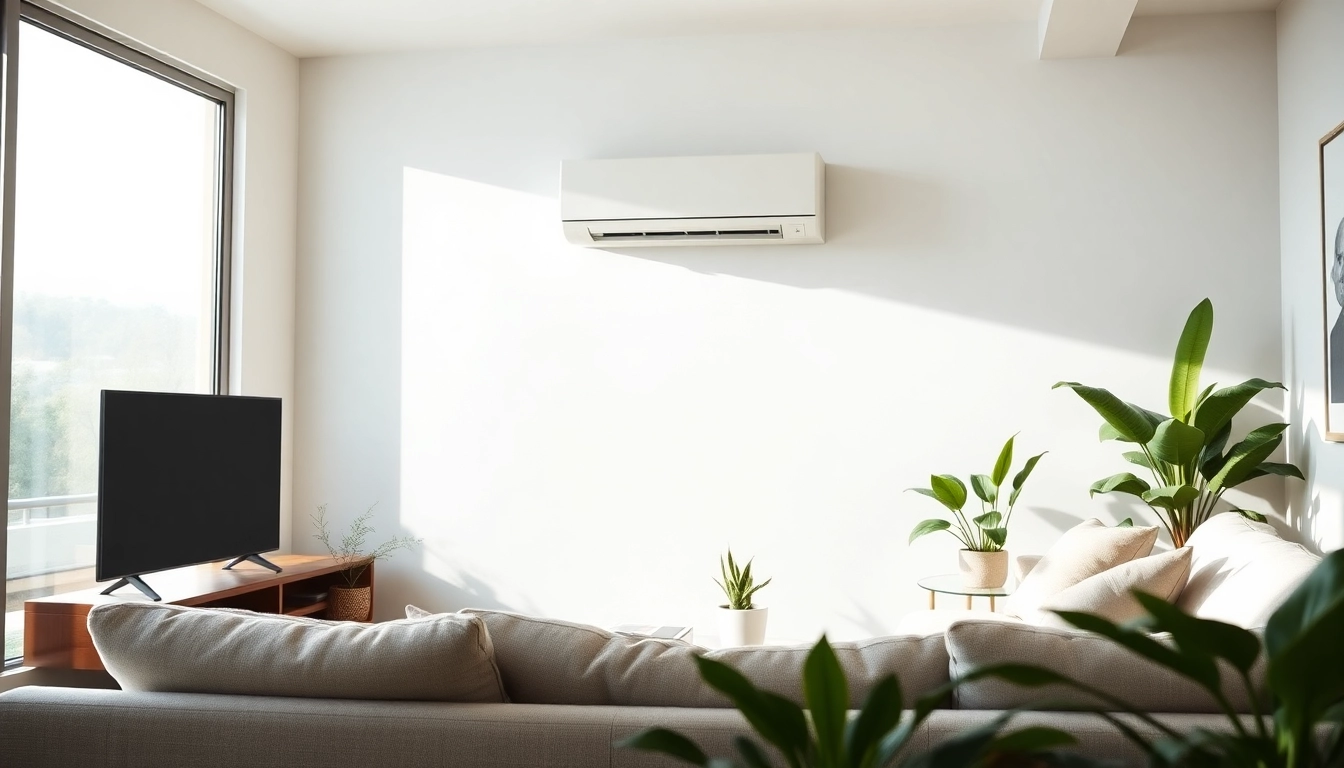
Understanding Mitsubishi Mini Split AC Systems
What is a Mini Split AC System?
A mini split AC system is a compact heating and cooling solution used in residential and commercial spaces. Unlike traditional air conditioning units that rely on ductwork to distribute air, mini splits consist of two main components: an indoor unit and an outdoor compressor. These systems are known for their flexibility, efficiency, and quiet operation, making them an attractive choice for a wide range of applications.
Advantages of Mitsubishi Mini Split AC
The mitsubishi mini split ac systems offer numerous advantages. They provide zoned heating and cooling, allowing homeowners to control the temperature of individual rooms or areas. This not only enhances comfort but also increases energy efficiency by preventing unnecessary heating or cooling in unoccupied spaces. Additionally, Mitsubishi units are lauded for their advanced technology, including inverter-driven compressors that adjust their speed based on cooling demand, leading to substantial energy savings.
How Does a Mini Split Work?
Understanding how a mini split air conditioning system operates is crucial. The outdoor unit contains the compressor and refrigerant, which absorbs heat from the outside air. This heat is then transferred through refrigerant lines to the indoor unit, where it is released to cool the air in the desired space. During cooler months, the process can be reversed, providing efficient heating. The lack of ductwork not only simplifies installation but also reduces energy losses typically associated with ducted systems.
Key Features of Mitsubishi Mini Split AC
Inverter Technology Explained
Mitsubishi mini split systems utilize inverter technology, which represents a significant advancement over traditional fixed-speed air conditioners. Instead of turning on and off at full power, inverters adjust the compressor speed to match the cooling needs of the space. This leads to more consistent temperatures, reduced energy consumption, and quieter operation. In many cases, inverter-driven systems can save homeowners up to 30% in energy costs compared to non-inverter models.
Temperature Control and Consistency
One of the most notable features of the Mitsubishi mini split AC systems is their precise temperature control. Each indoor unit can be set to different temperatures, allowing for customized comfort across various rooms. This level of control is particularly beneficial in multi-story homes or open-concept spaces where temperature regulation can often be challenging. It also reduces the stress on the system, prolonging its lifespan.
Energy Efficiency Standards
Mitsubishi mini split systems are designed to meet stringent energy efficiency standards. Many models are ENERGY STAR® certified, indicating they meet or exceed federal energy efficiency guidelines. The seasonal energy efficiency ratio (SEER) ratings of these systems are typically higher than those of conventional units, contributing to lower utility bills and a reduced carbon footprint.
Installation Considerations for Mitsubishi Mini Split AC
Choosing the Right Size for Your Space
Proper sizing is crucial for optimal performance and efficiency of a Mitsubishi mini split AC system. An undersized unit will struggle to cool or heat a space adequately, while an oversized unit will cycle on and off frequently, leading to inefficient operation and increased wear. Consulting with an HVAC professional to conduct a load calculation for your specific space can help ensure you select the right system size.
Placement and Aesthetic Appeal
Placement of the indoor unit can significantly affect the system's efficiency and aesthetic appeal. It's generally recommended to install the unit high on the wall in a way that allows for optimal airflow across the room. The outdoor unit should be placed on a stable surface that is accessible for maintenance. Many homeowners appreciate the sleek design of Mitsubishi units, which can blend seamlessly into modern interior décor.
DIY or Professional Installation?
While some homeowners may be tempted to attempt a DIY installation to cut costs, professional installation is highly recommended for mini split systems. Qualified technicians not only ensure that the system is installed correctly but also address critical components such as proper refrigerant levels and electrical connections. This expertise can prevent costly mistakes and ensure compliance with local codes.
Maintenance Best Practices for Mitsubishi Mini Split AC
Regular Cleaning Tips
Maintenance is key to the longevity and efficiency of your Mitsubishi mini split AC system. Regular cleaning of the air filters is essential for maintaining optimal airflow and indoor air quality. It’s advised to wash filters every month during peak usage times. Additionally, checking the outdoor unit for debris, leaves, and ice will prevent blockages that can impede performance.
Identifying Common Issues
Understanding common issues associated with mini split systems can help in early detection and resolution. Some signs to watch for include unusual noises, decreased airflow, or ice buildup on the indoor unit. Addressing these issues promptly can prevent further damage and extend the lifespan of the unit.
When to Call in a Specialist
It’s wise to call in a specialist if you encounter persistent problems. Signs such as refrigerant leaks, inconsistent heating or cooling, or error codes on the system display indicate a need for professional service. Regular maintenance checks by qualified HVAC professionals will ensure your system operates efficiently and effectively.
Frequently Asked Questions about Mitsubishi Mini Split AC
How long does a Mitsubishi mini split AC last?
With proper maintenance, a Mitsubishi mini split AC can last 15 years or more, providing reliable performance throughout its lifespan.
Can I use a Mitsubishi mini split AC in multiple rooms?
Yes, Mitsubishi mini split systems can be configured to service multiple rooms with a single outdoor unit, maximizing energy efficiency and comfort.
What is the average cost to install a Mitsubishi mini split AC?
The installation cost typically ranges from $3,000 to $5,000, depending on the complexity of the installation and the number of indoor units needed.
Are Mitsubishi mini split AC systems noisy?
Mitsubishi mini split systems are known for their quiet operation, often producing sound levels lower than 30 decibels, which is quieter than a whisper.
What size Mitsubishi mini split AC do I need for 1000 sq ft?
A unit with a capacity of 24,000 BTU is generally recommended for a space of around 1,000 square feet, helping to ensure optimal temperature control.