The Essence of Boutique Wines in Long Island
Long Island has emerged as a significant contender in the world of wine, boasting a range of boutique wineries that offer unique and exquisite selections. The charm of boutique wines lies not just in their limited production and artisanal craftsmanship, but also in their ability to capture the essence of the region's distinct terroir. When exploring options, Boutique wines in long island provide comprehensive insights into this vibrant wine culture, catering to connoisseurs and new enthusiasts alike. Understanding what defines boutique wines, along with the unique characteristics of Long Island's terroir, is essential for discovering the perfect bottle.
What Defines Boutique Wines?
Boutique wines are typically produced in small batches, often by family-owned vineyards, allowing for a focus on quality over quantity. These wines are often characterised by their distinctive flavours and unique production techniques, which reflect the personal style and philosophy of the winemakers. Unlike mass-produced wines, boutique wines tend to have limited availability, enhancing their exclusivity and appeal to consumers seeking unique tasting experiences.
The Unique Terroir of Long Island
Terroir, a French term that encompasses the environmental factors affecting a vineyard, plays a fundamental role in defining the character of Long Island wines. The region’s maritime climate, with its warm summers and cool breezes, offers ideal growing conditions for grape varietals such as Merlot, Cabernet Franc, and Chardonnay. The diverse soil types, ranging from sandy loam to clay, contribute to the complexity of flavours found in wines produced here.
Consumer Trends in Boutique Wine Selection
As consumer preferences evolve, there is a growing trend towards artisanal and locally sourced products, with boutique wines standing at the forefront. Many consumers are increasingly interested in the stories behind the bottles they purchase, seeking out wines that reflect sustainability and unique vineyard practices. This trend has led to a rise in wine tourism, where enthusiasts visit Long Island wineries to engage directly with producers and sample their offerings.
Exploring Long Island's Wine Regions
Long Island is home to several distinct wine regions, each offering unique characteristics and experiences. The North Fork and the Hamptons are two of the most notable areas, each featuring an array of wineries that contribute to the burgeoning wine culture. Understanding the key wineries in these regions and their signature offerings can significantly enhance one’s appreciation for boutique wines.
Key Wineries and Their Signature Offerings
Among Long Island's renowned wineries, Bedell Cellars and Wolffer Estate stand out for their exceptional quality and craftsmanship. Bedell Cellars is known for its artisanal blends and commitment to sustainable practices, while Wolffer Estate excels in producing award-winning Rosé wines that reflect the region's coastal influences. Other notable wineries include Channing Daughters Winery and Martha Clara Vineyards, each with its own unique approach to winemaking and a diverse portfolio of wines.
Comparative Analysis of Wine Varietals
Long Island’s climate allows for the cultivation of a range of varietals, each offering unique expressions. The Merlot produced here is often compared to those from Bordeaux, exhibiting ripe fruit flavours and smooth tannins. Conversely, the Chardonnay is recognised for its bright acidity and mineral notes, which reflect the coastal terroir. Understanding these subtle differences aids consumers in selecting wines that best suit their palates.
Upcoming Vineyards to Watch in 2026
As the wine industry continues to evolve, several new vineyards are set to emerge on Long Island’s landscape by 2026. These upcoming wineries, often focused on sustainable practices and innovative winemaking techniques, promise to enhance the region's reputation for high-quality boutique wines. Keeping an eye on these new establishments may provide exciting opportunities for consumers eager to explore fresh flavours and experiences.
The Winemaking Process: Crafting Boutique Wines
The process of crafting boutique wines is a labour of love that requires careful attention to every detail, from grape selection to bottling. A deep understanding of the winemaking process helps demystify the complexities behind each bottle and enriches the consumer's tasting experience.
Harvesting Techniques for Quality Grapes
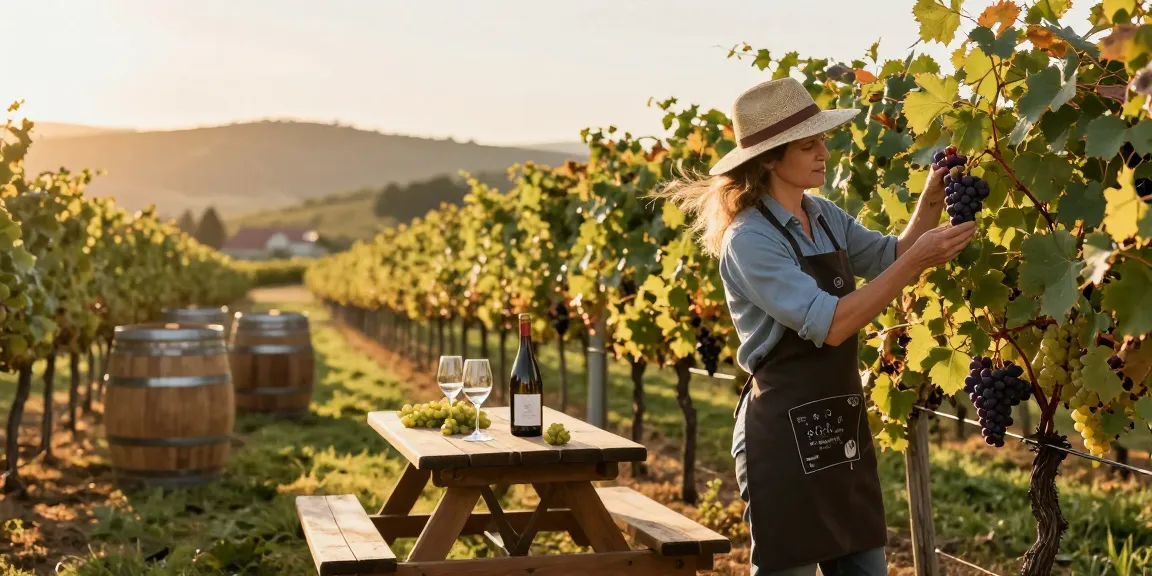
Harvesting is one of the most critical phases in winemaking. Boutique wineries often utilise hand-harvesting techniques to ensure only the best grapes are selected, maximising quality. This meticulous approach allows winemakers to monitor the ripeness of each grape, thereby enhancing the flavours and characteristics of the finished wine.
Fermentation and Ageing: Best Practices
After harvesting, the fermentation process begins, where sugars in the grapes are converted to alcohol. Boutique winemakers often experiment with different fermentation techniques, such as wild fermentation or the use of native yeasts, to create unique flavour profiles. Ageing in oak barrels can also impart additional complexity, with many winemakers opting for specific types of wood to complement their wine's natural characteristics.
Innovation in Wine Production Methods
Innovation is at the heart of the boutique wine movement, with winemakers constantly exploring new methods to enhance their products. Techniques such as skin contact fermentation and carbonic maceration are gaining popularity, resulting in vibrant, expressive wines that appeal to a diverse audience. Embracing these innovative processes not only differentiates boutique wines but also reflects the evolving tastes of consumers.
Marketing Boutique Wines: Strategies for Success
In a competitive marketplace, effective marketing strategies are essential for boutique wineries to establish their brands and reach target consumers. Understanding how to position oneself within the marketplace can significantly impact a winery’s success.
Building a Brand in a Competitive Market
Establishing a strong brand identity is crucial for boutique wineries. This involves creating a compelling narrative around the winery's history, philosophy, and commitment to quality. Crafting labels that reflect the unique characteristics of each wine, paired with engaging marketing materials, can help wineries stand out in a crowded market.
The Role of Online Sales and Social Media
With the increasing importance of digital platforms, a robust online presence is vital for boutique wineries. Leveraging social media to share content related to the winemaking process, vineyard tours, and wine pairings engages consumers and builds community. Additionally, effective online sales strategies can expand reach and drive sales, particularly among younger consumers who prefer shopping online.
Connecting with Local and Global Consumers
Engaging with both local and global markets is essential for boutique wineries. Participating in wine festivals, tastings, and collaborations with restaurants can enhance visibility in local markets. Meanwhile, exploring international distribution channels helps wineries tap into growing global wine markets, enabling them to reach a broader audience.
Future Trends for Boutique Wines in Long Island
The future of boutique wines in Long Island is bright, with several trends poised to shape the market in the coming years. Understanding these trends can provide insights for both consumers and producers as they navigate the evolving landscape of wine.
Sustainable Practices in Winemaking
Sustainability has become a focal point for many boutique wineries as consumers increasingly favour environmentally friendly practices. Emphasising organic farming, biodynamic principles, and reduced carbon footprints not only resonates with consumers but also ensures the long-term viability of vineyards. As these practices become more mainstream, wineries that adopt them are likely to see increased consumer loyalty.
Emerging Wine Styles and Consumer Preferences
As consumer tastes shift towards lighter, fresher wines, Long Island wineries are exploring new styles. Natural wines, sparkling wines, and low-alcohol options are gaining traction among consumers looking for innovative experiences. This evolution presents opportunities for boutique wineries to experiment and adapt their offerings to meet changing preferences.
Predictions for the Boutique Wine Market in 2026
Looking towards 2026, the boutique wine market is expected to continue its growth trajectory, with increasing demand for artisanal products. As consumers become more educated about wine, there will likely be a greater focus on quality and authenticity. Wineries that successfully convey their unique stories and commitment to craftsmanship will be well-positioned to thrive in this competitive landscape.
What makes boutique wines unique?
Boutique wines are unique due to their limited production, artisanal methods, and the individual character imparted by the winemaker’s philosophy and the vineyard’s terroir. This uniqueness often translates into distinctive flavour profiles that set them apart from mass-produced alternatives.
How do terroir and climate influence wine flavour?
Terroir encompasses various factors, including soil composition, climate, and topography that directly influence the taste and aroma of wine. The maritime climate of Long Island, combined with its diverse soils, creates an environment where grape varietals can express their full potential, resulting in exceptional wines.
What are the best boutique wineries to visit in Long Island?
Some of the best boutique wineries to visit in Long Island include Bedell Cellars, Wolffer Estate, and Channing Daughters Winery. Each offers unique tasting experiences and opportunities to learn about their winemaking processes, perfect for enthusiasts looking to delve deeper into the world of boutique wines.
How can consumers choose quality boutique wines?
Consumers can choose quality boutique wines by researching individual wineries, reading reviews, and attending tastings. Engaging with the winemakers can also provide insights into their methods and philosophy, enhancing the selection experience. Understanding the characteristics of different varietals and vintages can further guide consumers in their choices.