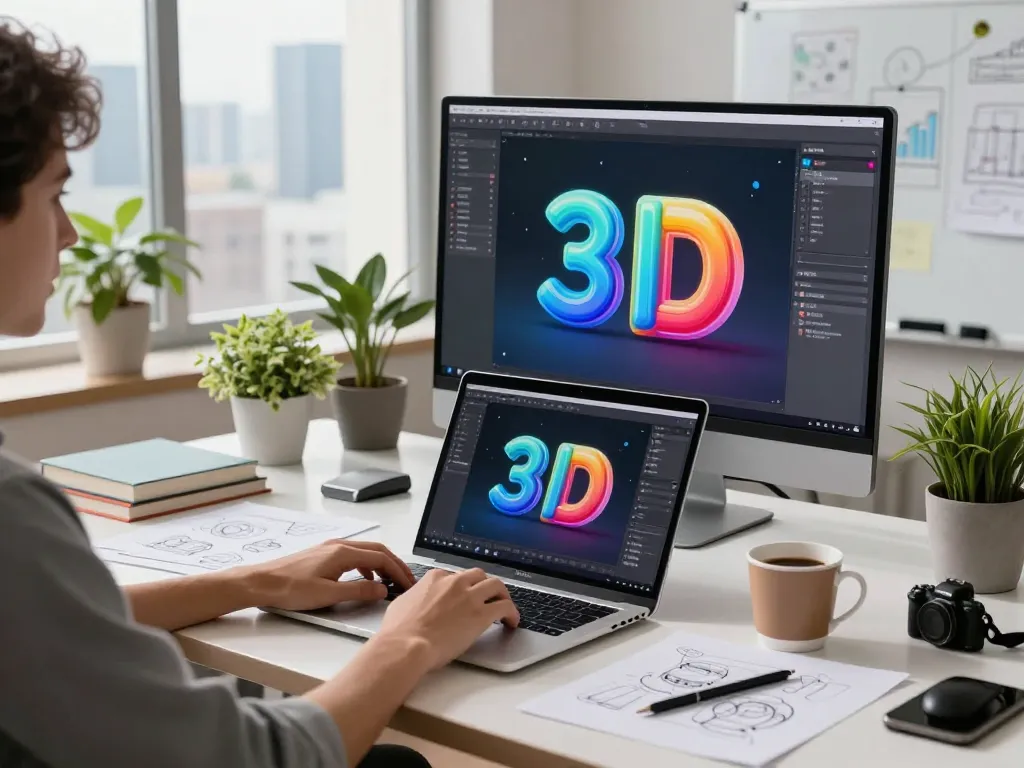
Understanding Text to 3D Technology
In recent years, the advancements in 3D modeling technology have led to the emergence of a groundbreaking approach known as Text to 3D. This innovative method leverages artificial intelligence and machine learning to transform written prompts into intricate three-dimensional models. With its growing popularity, Text to 3D enables artists, designers, engineers, and hobbyists to create stunning visual content more efficiently than ever before.
What is Text to 3D?
Text to 3D refers to the process of generating three-dimensional models from text descriptions. By using sophisticated algorithms and AI technologies, users can input textual prompts that describe the desired object, and the system will generate a corresponding 3D model. This technology reduces the time and effort required for traditional 3D modeling, allowing creatives to focus on ideation and design rather than technical skills.
Key Technologies Driving Text to 3D
The backbone of Text to 3D technology consists of several advanced techniques, including:
- Natural Language Processing (NLP): This allows systems to understand and interpret the nuances of human language, enabling them to create models that accurately reflect the user's intentions.
- Generative Adversarial Networks (GANs): These AI models can generate new content by learning from existing datasets, which is crucial for creating realistic 3D objects from text prompts.
- Deep Learning: This encompasses various machine learning techniques that enhance the model's performance, resulting in higher fidelity and detail in the generated 3D outputs.
Common Applications in Various Industries
Text to 3D technology is finding applications in a multitude of industries:
- Gaming: Developers use this technology to quickly prototype characters and environments based on descriptive narratives, enhancing gameplay experiences.
- Architecture: Architects can generate initial design concepts based on descriptive text, allowing for rapid iterations and visualizations of ideas.
- Education: Educators can create 3D models for complex subjects, making learning more engaging and interactive for students.
- Marketing: Brands can quickly produce visual assets for campaigns, advertisements, and social media, keeping content fresh and relevant.
The Benefits of Text to 3D for Creatives
Enhancing Design Workflow Efficiency
One of the most significant advantages of Text to 3D is its ability to streamline the design workflow. By enabling designers to convert ideas into visual representations instantly, this technology helps reduce the time spent on modeling, allowing for rapid experimentation and iteration. Additionally, it minimizes the need for extensive technical knowledge, opening the door for more individuals to participate in the creative process.
Improving Collaboration Among Teams
Text to 3D fosters collaboration by providing a shared language between creative teams. Designers, engineers, and stakeholders can communicate ideas more effectively through visual outputs, leading to a more cohesive project development process. This enhanced collaboration can result in higher-quality outcomes that align closely with project goals.
Fostering Creativity and Innovation
The accessibility of Text to 3D encourages creativity by allowing users to experiment without the constraints of traditional modeling techniques. Artists can explore unconventional ideas, leveraging AI to generate unexpected outputs that inspire further creative exploration. This freedom can lead to innovative designs that push the boundaries of conventional aesthetics.
Challenges of Text to 3D Adoption
Technical Limitations and Solutions
Despite its potential, Text to 3D technology faces several challenges. Technical limitations, such as the accuracy of generated models and the complexity of detailed designs, necessitate ongoing improvements. However, developers are continuously refining AI algorithms to enhance output quality, making systems more reliable and user-friendly.
Integrating Text to 3D into Existing Systems
For organizations looking to adopt Text to 3D, integration with existing systems can be a hurdle. Software compatibility issues and the need for staff training may pose challenges. To overcome these, companies should adopt a gradual implementation strategy that includes pilot programs to test functionalities before full-scale adoption.
Overcoming User Resistance to New Technology
Change can be daunting, and users may resist adopting new technologies due to fears of obsolescence or the learning curve involved. Providing comprehensive training and showcasing the benefits of Text to 3D can help alleviate these concerns and foster a more receptive environment for innovation.
Best Practices for Implementing Text to 3D
Choosing the Right Tools and Platforms
Selecting appropriate tools for Text to 3D is crucial for success. Organizations should evaluate various platforms based on features, ease of use, and community support to find the best fit for their needs. Some highly-rated platforms include Meshy AI, Sloyd, and Tripo, each offering unique capabilities for text-based 3D design.
Building a Text to 3D Workflow
Creating a cohesive workflow is essential for maximizing the benefits of Text to 3D. Teams should outline the steps involved in their design process, from ideation through to implementation, ensuring that Text to 3D tools complement existing practices rather than disrupt them.
Training Teams for Successful Integration
Investing in training programs for team members is critical for the successful integration of Text to 3D technology. Workshops and tutorials can provide the necessary skills to leverage the tools effectively, bridging the gap between technical capabilities and creative applications.
Future Trends in Text to 3D Development
Predicted Innovations Through 2026
As Text to 3D technology continues to evolve, several trends are expected to shape its future. Enhanced AI capabilities will likely result in more sophisticated model generation, including dynamic textures and animations that respond to the nuances of input text. Additionally, we may see the incorporation of virtual reality (VR) and augmented reality (AR) into Text to 3D platforms, providing immersive experiences for users.
The Role of AI in Text to 3D
AI will play a transformative role in Text to 3D development, with advancements in machine learning algorithms enhancing the accuracy and versatility of generated models. As AI systems become more adept at understanding context and emotion in textual inputs, the quality of the resulting models will significantly improve, enabling more lifelike and expressive designs.
Impact on Industries and Market Potential
The growing adoption of Text to 3D technology is set to disrupt various industries, creating new market opportunities and driving digital transformation. As businesses seek more efficient and innovative ways to produce content, the demand for Text to 3D solutions will expand, offering significant potential for growth in 2026 and beyond.
Frequently Asked Questions
What is Text to 3D technology?
Text to 3D technology encompasses the processes and tools that convert textual descriptions into three-dimensional models, streamlining design and creation.
How can I generate 3D models from text?
Users can generate 3D models from text by utilizing specific software or platforms designed for Text to 3D capabilities, which interpret written prompts and produce corresponding models.
What industries benefit from Text to 3D?
Text to 3D technology benefits numerous industries, including gaming, architecture, education, and marketing, by improving design efficiency and enhancing creativity.
Are there free tools for Text to 3D?
Yes, several tools offer free access to Text to 3D capabilities, allowing users to experiment without financial commitments. These options range from basic to more advanced applications.
How does Text to 3D compare with traditional modeling?
Compared to traditional modeling, Text to 3D significantly reduces the time and technical skill barrier required to create complex designs, enabling faster iterations and more innovative outputs.