
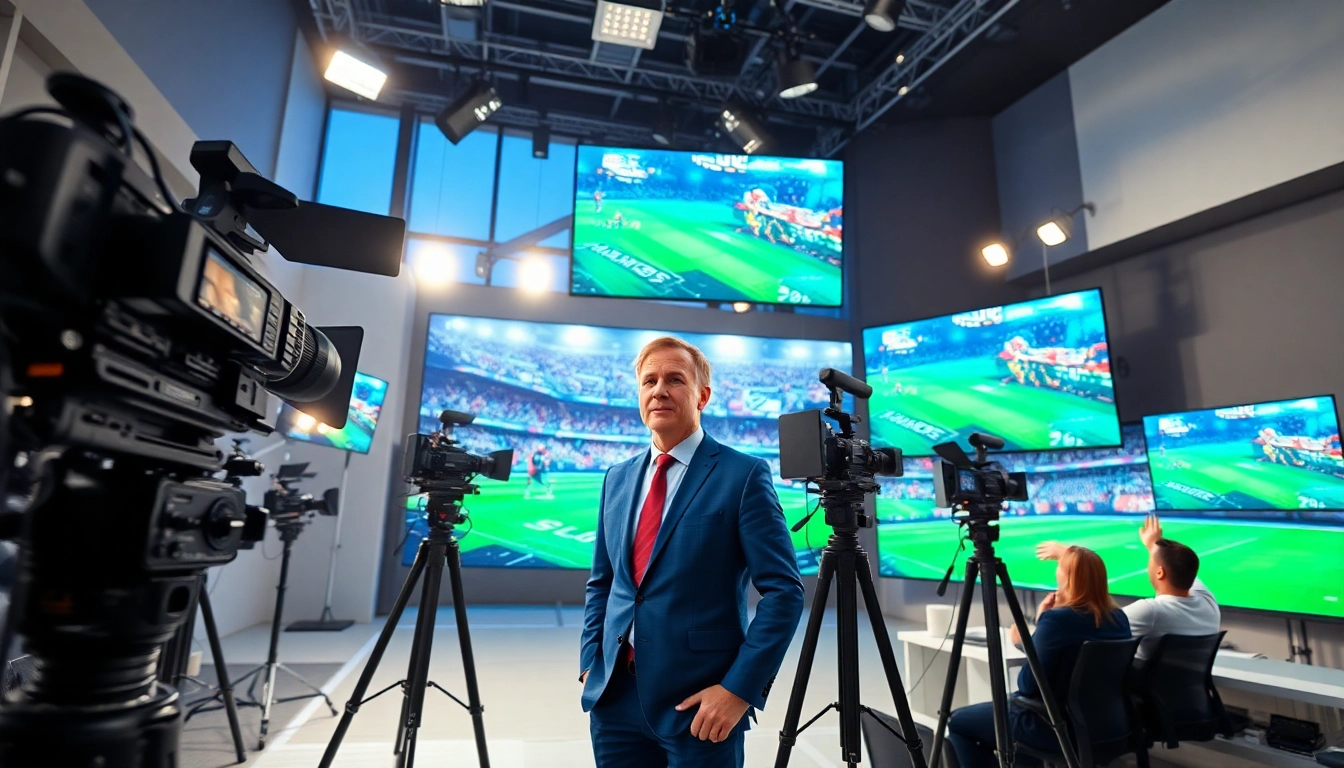
Understanding Sports Broadcasting
What is Sports Broadcasting?
Sports Broadcasting is the practice of reporting, recording, and disseminating sports events through various media channels, including television, radio, online streaming, and social media platforms. This field serves to inform and entertain audiences worldwide, enhancing the viewing experience and allowing fans to connect with their favorite sports and athletes. As a critical segment of the media industry, Sports Broadcasting encompasses a range of functions from announcing play-by-play commentary to producing highlight reels and in-depth analyses of games and events.
Key Components of Sports Broadcasting
The core components of Sports Broadcasting include the following:
- Pre-Game Coverage: Pre-game programming may include analysis of team lineups, strategies, and expert commentary, building anticipation for the event.
- Live Coverage: This involves real-time commentary during live games. Broadcasters narrate actions, offering insights to enhance the audience's understanding and enjoyment.
- Post-Game Analysis: After the event, broadcasters often discuss key moments, player performances, and strategies employed during the game, providing a wrap-up for viewers.
- Interviews and Features: Interviews with players, coaches, and analysts help to personalize the narrative of sports, offering fans an inside look into their favorite teams.
Historical Evolution of Sports Broadcasting
The history of Sports Broadcasting traces back to the 1920s, with radio broadcasts originating as the first medium to bring sports events to the masses. The 1930s saw the introduction of live commentary, allowing audiences to experience events in real time. As television gained popularity in the mid-20th century, sports broadcasting evolved significantly, showcasing wide-ranging sports from various angles and enhancing viewer engagement. Today, digital platforms and streaming services have become predominant, reshaping how fans consume sports content and making it more accessible than ever.
Technology in Sports Broadcasting
Role of Technology in Enhancing Broadcast Quality
Technology plays a vital role in elevating the quality of sports broadcasts. High-definition (HD) and ultra-high-definition (UHD) formats provide audiences with clearer images and superior viewing experiences. Additionally, advanced audio technologies improve sound quality, allowing viewers to feel the excitement of the game. Innovations such as instant replay, slow motion, and multi-angle cameras enrich the viewing experience by giving fans various perspectives on pivotal moments.
Emerging Trends: AR and VR in Sports Broadcasting
Augmented Reality (AR) and Virtual Reality (VR) are on the cutting edge of Sports Broadcasting, offering immersion like never before. AR enhances the viewing experience with graphics that overlay physical environments, providing instant stats and information during live broadcasts. Meanwhile, VR allows fans to experience sports venues and events as if they were present, creating a unique, interactive viewing experience that traditional mediums cannot replicate.
Equipment Essentials for Modern Sports Broadcasting
The modern sports broadcaster relies on a suite of cutting-edge equipment to ensure quality and professionalism.
- Cameras: High-quality cameras capable of capturing fast-moving actions are crucial. Multi-camera setups offer varied angles of the game.
- Audio Equipment: High-fidelity microphones and sound systems are vital for clear commentary and on-field sound capture.
- Graphics Software: Advanced graphics tools are essential for display overlays, including scores, player stats, and replay graphics.
- Streaming Hardware: Robust internet and broadcasting systems allow seamless streaming of events to worldwide audiences.
Audience Engagement in Sports Broadcasting
Strategies to Increase Viewer Interaction
Engaging audiences is critical for the success of any sports broadcast. Broadcasters increasingly implement interactive features, such as live polling during games and social media integration, allowing viewers to share their opinions and boost involvement. Additionally, creating engaging content that resonates with fan interests, such as behind-the-scenes footage, can further enhance viewer loyalty and interaction.
Analyzing Audience Demographics
Understanding audience demographics allows broadcasters to tailor content and marketing strategies effectively. Data on age, location, and viewing preferences helps tailor programming to meet the interests of different audience segments. For instance, younger viewers may prefer digital platforms and be more inclined towards interactive content, while older demographics might favor traditional broadcasting.
Impact of Social Media on Sports Broadcasting
Social media has revolutionized Sports Broadcasting, acting as a vital tool for engagement, promotion, and real-time feedback. Sports organizations leverage platforms like Twitter, Instagram, and TikTok to extend the broadcast narrative, share highlights, and communicate with fans directly. This interaction builds community and loyalty around teams and events, making social media an indispensable component of modern sports broadcasting.
Legal and Ethical Considerations in Sports Broadcasting
Understanding Broadcast Rights
Broadcast rights are crucial for Sports Broadcasting operations, granting legal permissions to air events. These rights are often sold as packages to networks, impacting broadcasting strategies and revenue. Understanding the complexities involved in rights negotiation is essential for broadcasters, as disputes can lead to costly legal challenges and loss of viewer trust.
Ethics in Sports Journalism
Ethics play a vital role in sports journalism, requiring broadcasters to balance professionalism and integrity. Unbiased reporting, fact-checking, and respect for privacy are fundamental ethical considerations that broadcasters must adhere to when covering sports events. Failure to uphold these standards can damage reputations and undermine viewer trust.
Global Regulations Affecting Sports Broadcasting
Different countries have varying regulations governing Sports Broadcasting, influencing how content is produced and distributed. Licensing, censorship laws, and advertising restrictions create a framework that broadcasters must navigate, often requiring adaptation to comply with local regulations while maintaining audience engagement.
Future of Sports Broadcasting
Predictions for the Next Decade
The future of Sports Broadcasting promises exciting developments driven by technological advancements and changing audience preferences. Greater personalization in content delivery, more interactive features, and enhanced viewer experiences through AI and machine learning are expected. Additionally, immersive content and storytelling will redefine how sports are presented to fans.
Impact of Streaming Services on Traditional Broadcasting
With the rise of streaming services, traditional broadcasting is under significant pressure to adapt. Many viewers now prefer flexible streaming options over rigid broadcasting schedules. This shift forces traditional broadcasters to explore partnerships and create their own streaming platforms to remain competitive.
Preparing for Innovations in Sports Broadcasting
As the media landscape evolves, broadcasters must prepare for upcoming innovations by investing in technology and upskilling personnel. Embracing new tools and trends, broadcasters must stay attuned to viewer preferences and technological developments to maintain relevance and enhance audience engagement.
Frequently Asked Questions
What is the role of commentary in sports broadcasting?
Commentary provides real-time play-by-play analysis, enhancing the viewing experience by offering insights and context about the game.
How has social media changed sports broadcasting?
Social media has created new ways for fans to interact with broadcasts, share content, and engage directly with teams and athletes, enhancing community around sports.
What technologies are shaping the future of sports broadcasting?
AR, VR, AI, and advanced graphics technologies are transforming how sports are presented, delivering immersive and interactive experiences to fans.
Why are broadcast rights important?
Broadcast rights determine who can air specific sports events. They significantly influence media revenue and partnerships in the sports industry.
What ethical challenges do sports broadcasters face?
Ethical challenges include maintaining objectivity, protecting athlete privacy, and upholding journalistic integrity in reporting.