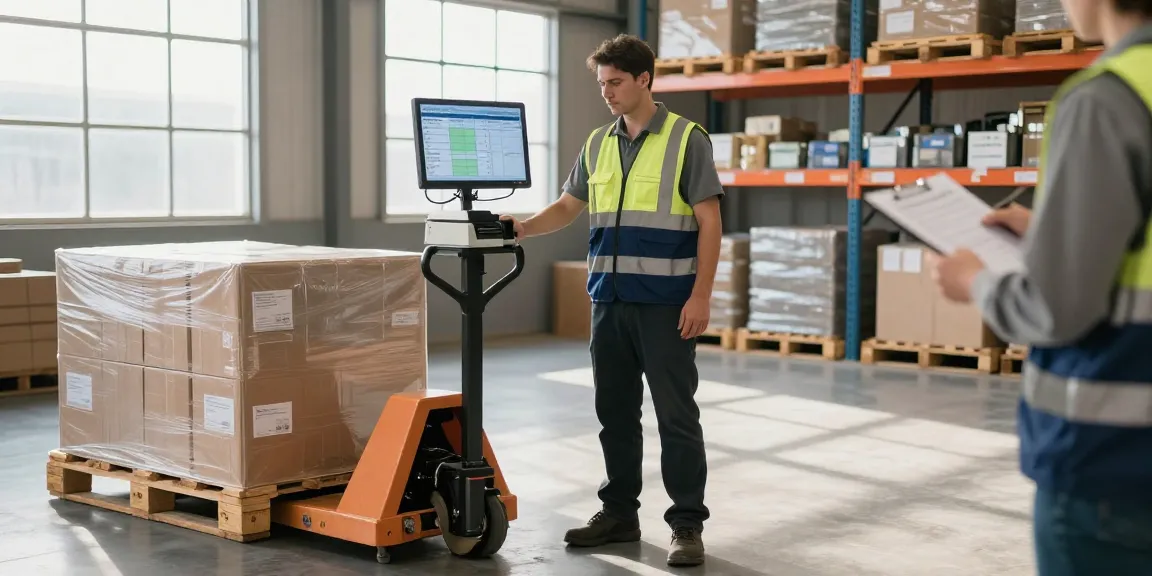
Understanding Manual Pallet Trucks with Scale and Printer
In the evolving landscape of warehouse management and logistics, efficiency is paramount. Among the tools enhancing operational performance, the manual pallet truck with scale and printer stands out as an essential piece of equipment. This device integrates weighing capabilities and printing functionalities, allowing for precise inventory management and streamlined operations, critical for modern industries focused on maximizing throughput and minimizing errors.
What is a Manual Pallet Truck with Scale and Printer?
A manual pallet truck with a scale and printer is a versatile tool designed for transporting pallets while providing real-time weight measurements. Unlike standard manual pallet trucks, these units are equipped with electronic scales that allow operators to weigh loads as they are moved. The addition of a built-in printer enables immediate documentation of weight data, enhancing inventory management processes and reducing the need for separate weighing stations.
Benefits of Utilizing Scales in Pallet Trucks
- Improved Accuracy: Having an integrated scale eliminates errors in weight estimation, ensuring precise measurements are recorded every time.
- Enhanced Productivity: The combined capabilities of lifting and weighing in one unit save time and reduce the complexity of handling materials.
- Cost Efficiency: Reducing the need for additional equipment means lower operational costs and fewer machines to maintain.
- Streamlined Processes: Immediate printing of weight tickets facilitates faster processing in shipping and receiving departments.
Key Features to Look for in Modern Models
When selecting a manual pallet truck with scale and printer, certain features can significantly impact its performance and usability:
- Weight Capacity: Ensure that the truck can handle the maximum weight you expect to lift.
- Scale Accuracy: Look for models offering high precision to maintain accuracy in measurements.
- Battery Life: A long-lasting battery is crucial for uninterrupted operation, especially in busy warehouses.
- Ergonomic Design: Comfort during operation is essential; choose models with ergonomic handles and easy maneuverability.
Choosing the Right Manual Pallet Truck for Your Operations
Selecting the appropriate manual pallet truck with scale and printer requires careful consideration of various factors. When exploring options, Manual pallet truck with scale and printer provides comprehensive insights, enhancing your decision-making process.
Factors to Consider When Selecting a Model
Several key factors should guide your selection process:
- Type of Goods: Consider the sizes and weights of the goods you’ll be transporting.
- Working Environment: Evaluate whether the truck will be used on smooth floors or in more rugged conditions.
- Frequency of Use: Determine how often the equipment will be in operation to justify investment in higher-end models.
Comparison of Top Brands and Models for 2026
As we look towards 2026, several brands are leading the way with their innovative solutions:
- Brand A: Known for its durability and high weight capacity, ideal for heavy-duty operations.
- Brand B: Offers advanced electronic features, including Bluetooth connectivity for real-time data transfer.
- Brand C: Focuses on ergonomic designs, perfect for extensive use without compromising worker comfort.
Evaluating Weight Capacities and Range
Assessing the weight capacity and range of manual pallet trucks is crucial for ensuring you select a model suitable for your operations. Most units range from 2,200 lbs to over 4,400 lbs, depending on the construction and intended use. Ensure that the model selected can handle the heaviest items you plan to lift.
Best Practices for Using Manual Pallet Trucks
To maximize the effectiveness of your manual pallet truck with scale and printer, adhering to best practices is essential.
Safety Guidelines and Operational Tips
- Use Proper Lifting Techniques: Ensure that operators are trained in using the truck to minimize injury risks.
- Regular Maintenance: Inspect the truck regularly for wear and tear to avoid operational downtime.
- Load Distribution: Always ensure that loads are evenly distributed to maintain stability during transportation.
Maintenance Strategies for Longevity
Maintaining your manual pallet truck is simple yet crucial:
- Daily Checks: Inspect tires, brakes, and the scale for optimal performance.
- Battery Care: For electric models, ensure batteries are charged and connections are clean.
- Lubrication: Regularly lubricate moving parts to reduce friction and wear.
Training Your Workforce for Efficiency
Effective training is key to maximizing the potential of your manual pallet truck. Conduct workshops that focus on:
- The correct operation of the truck.
- Understanding weight measurements and using the integrated printer.
- Recognizing maintenance needs and reporting issues promptly.
Common Challenges and Solutions
Even with the best equipment, challenges can arise. Being aware of common issues and their solutions can help maintain smooth operations.
Addressing Calibration Issues with Weighing Scales
Calibration problems can lead to inaccurate weight readings. Regularly check and recalibrate your scale according to the manufacturer’s guidelines to ensure precision.
Handling Heavy Loads Effectively
For heavier loads, consider additional training for operators on safe lifting practices and the importance of checking weight limits before transport.
Troubleshooting Common Operational Problems
Many operational issues can be quickly resolved by following a systematic troubleshooting approach:
- Identify the Problem: Determine whether the issue is with the truck, the scale, or operator error.
- Consult Manuals: Always refer to user manuals for specific troubleshooting tips.
- Seek Professional Help: For persistent issues beyond routine maintenance, consult a professional technician.
The Future of Manual Pallet Trucks and Technology
The ongoing evolution of technology continues to improve the functionality of manual pallet trucks with scales and printers. In 2026, these trends will likely shape the future of warehouse operations.
Emerging Trends in Warehouse Equipment for 2026
Innovative features such as automated weight logging and IoT connectivity will become commonplace, allowing for seamless integration with warehouse management systems.
Integration with IoT and Smart Technology
The integration of IoT technology will enable real-time tracking of inventory and equipment, enhancing efficiency and visibility throughout the supply chain.
Impact of Automation on Manual Handling Equipment
As automation advances, a balance will be needed between manual handling equipment and automated systems, ensuring that operators can work safely alongside new technology.
Common Questions about Manual Pallet Trucks with Scale and Printer
- What is the weight capacity of a manual pallet truck with scale and printer? Most models can typically handle weights between 2,200 and 4,400 lbs.
- How does a manual pallet truck with scale function? It operates using manual effort to lift the load while providing immediate weight readings displayed on an integrated screen.
- What are the advantages of using a manual pallet truck with printer? The immediate printing of weights enhances record-keeping and operational transparency.
- How can I maintain my manual pallet truck effectively? Regular inspections, proper cleaning, and timely repairs are essential for longevity.
- Are there any safety concerns with using these pallet trucks? Yes, proper training and load management are critical to avoiding accidents and injuries.