Understanding Air Conditioners
What is an American Standard Air Conditioner?
An american standard air conditioner is a highly reliable and innovative HVAC (Heating, Ventilation, and Air Conditioning) unit designed to provide efficient cooling and comfort to residential and commercial spaces alike. These air conditioners are engineered with advanced technology to ensure optimal performance, energy efficiency, and longevity. American Standard is renowned for its commitment to quality and customer satisfaction, making it a preferred choice among homeowners seeking reliable climate control solutions.
Types of Air Conditioners Available
American Standard offers a diverse range of air conditioning systems to suit various needs and preferences. Below are the primary types:
- Central Air Conditioners: Ideal for cooling entire homes, these systems utilize a network of ducts to distribute cooled air efficiently.
- Split Air Conditioners: Comprising an indoor and outdoor unit, these systems are suitable for homes without ductwork and are typically quieter and more efficient.
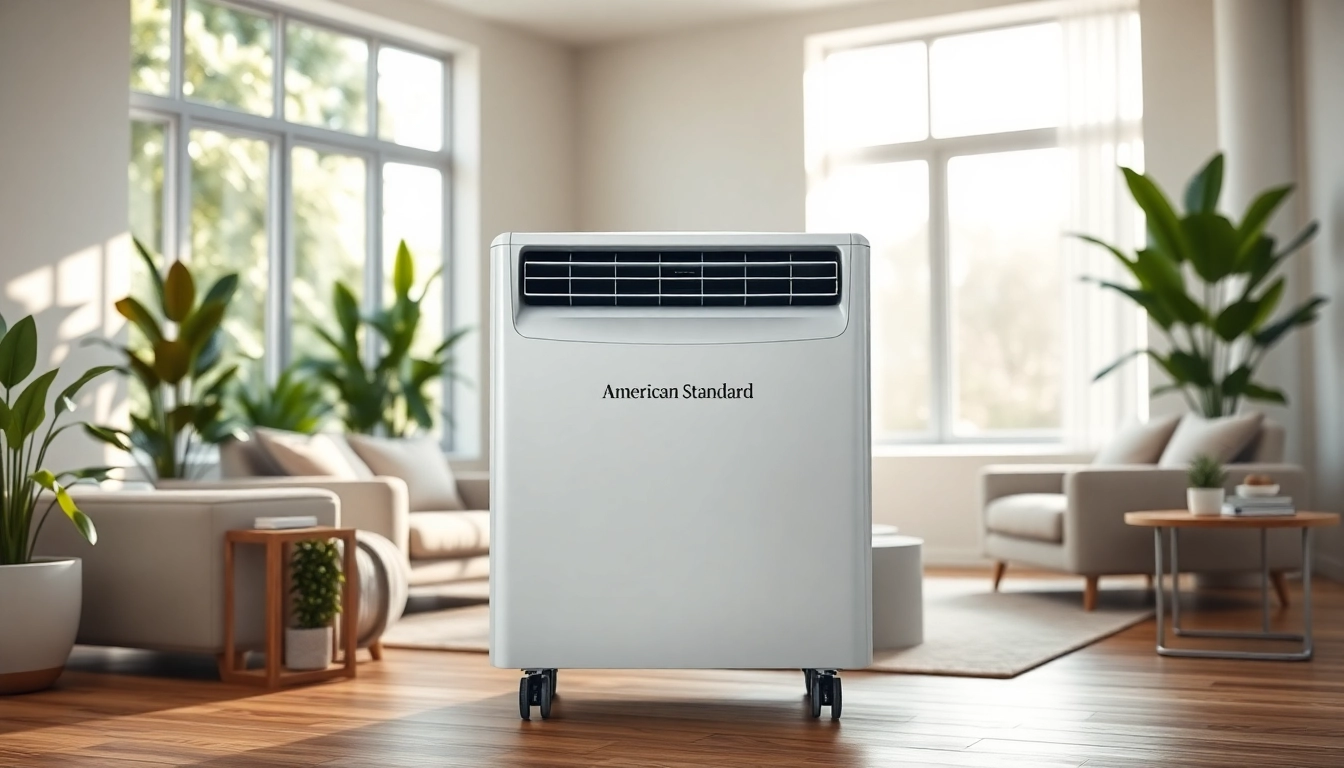
- Portable Air Conditioners: These are self-contained units that can be easily moved from room to room, providing flexible cooling solutions.
- Ductless Mini-Split Systems: Perfect for homes without ductwork, these systems deliver targeted cooling to specific areas, enhancing energy efficiency.
- Heat Pumps: Functioning as both air conditioners and heaters, heat pumps are an energy-efficient choice for year-round climate control.
Key Features and Benefits
American Standard air conditioners are packed with innovative features that enhance performance and provide significant benefits:
- High Energy Efficiency Ratings: Most models come with SEER ratings ranging from 13.4 to 23.6, ensuring lower energy bills and reduced environmental impact.
- Whisper-Quiet Operation: Many units are designed to operate quietly, making them perfect for residential settings where noise may be a concern.
- Durability and Longevity: Built with high-quality materials, these systems are designed to withstand rigorous use, often lasting 15-20 years with proper maintenance.
- Smart Technology: Many models are compatible with smart thermostats and home automation systems, allowing for remote monitoring and control.
- Comprehensive Warranties: American Standard offers robust warranty packages, giving homeowners peace of mind regarding their investment.
Selecting Your American Standard Air Conditioner
Factors to Consider When Choosing
Selecting the right air conditioner involves understanding several key factors to ensure optimal cooling and energy efficiency:
- Home Size: The size of your home directly impacts the type and capacity of the air conditioning unit you’ll need. Oversized or undersized units can lead to inefficiency and discomfort.
- Climate: Your local climate conditions should influence your choice. For instance, humid areas may benefit from models with enhanced dehumidification capabilities.
- Energy Efficiency: Look for models with high SEER ratings to minimize long-term energy costs.
- Noise Levels: Consider the noise produced by the unit, especially if it will be installed near living spaces.
- Installation Type: Determine whether you want a central system, ductless mini-split, or a portable unit based on your home layout.
Sizing Your Air Conditioner Properly
Proper sizing is crucial to maintain comfort and efficiency. Sizing is measured in BTUs (British Thermal Units). As a rule of thumb:
- 600 to 800 sq ft: 1.5 to 2 tons (18,000 to 24,000 BTU)
- 800 to 1,200 sq ft: 2 to 2.5 tons (24,000 to 30,000 BTU)
- 1,200 to 1,600 sq ft: 2.5 to 3 tons (30,000 to 36,000 BTU)
- 1,600 to 2,000 sq ft: 3 to 4 tons (36,000 to 48,000 BTU)
Consulting with a professional HVAC technician can provide specific recommendations based on your home layout and insulation quality.
Comparing Energy Efficiency Ratings
The Seasonal Energy Efficiency Ratio (SEER) is a critical measurement of cooling efficiency. The higher the SEER number, the greater the energy efficiency of the unit. Here’s how to interpret these ratings:
- 13-15 SEER: Basic efficiency, suitable for moderate climates.
- 16-19 SEER: Enhanced efficiency, commonly recommended for homeowners looking to save on energy bills.
- 20+ SEER: Superior efficiency, ideal for extreme climates where cooling demands are high.
Investing in a unit with a higher SEER rating can lead to significant savings on energy bills over its lifespan.
Installation Process for Your Air Conditioner
Preparing Your Home for Installation
Before installation, it’s essential to prepare your home to facilitate the process:
- Clear the Area: Ensure that the installation area is free from obstacles.
- Discuss Preferences: Communicate with your contractor about the best location for placement, considering airflow and aesthetics.
- Check Electrical Supply: Confirm that your electrical connections are sufficient to support the new unit.
Steps for Professional Installation
While some units can be installed DIY, professional installation is recommended for optimal performance. Key steps in the process often include:
- Assessing the home’s cooling load and selecting the appropriate size unit.
- Installing the indoor and outdoor units along with necessary ductwork or piping.
- Connecting electrical components and ensuring proper drainage.
- Testing the system for functionality and efficiency.
Common Mistakes to Avoid
To ensure a successful installation, homeowners should avoid these common pitfalls:
- Choosing an incorrectly sized unit, leading to inefficiency.
- Overlooking important maintenance, such as clearing away foliage from outdoor units.
- Ignoring building regulations or permits required by local authorities.
Maintaining Your American Standard Air Conditioner
Regular Maintenance Tips
Routine maintenance can greatly extend the lifespan of your air conditioning system. Here are some essential tips:
- Change Filters: Replace or clean air filters every 1-3 months.
- Clean Coils: Ensure both indoor and outdoor coils are free from dirt and debris.
- Check Thermostat Settings: Verify that your thermostat is working correctly and should be set to “auto” for optimal performance.
- Schedule Professional Tune-Ups: Regular inspections by a professional can catch issues early and keep the unit operating smoothly.
Signs That Your Air Conditioner Needs Repair
Be vigilant for warning signs that indicate your air conditioner may need repairs:
- Unusual Noises: Any grinding, squealing, or hissing sounds could indicate potential issues.
- Weak Airflow: Poor airflow or uneven cooling suggests blockages or system malfunctions.
- Increased Energy Bills: A sudden spike in energy costs may signify inefficiencies or malfunctioning components.
- Frequent Cycling: If the unit constantly turns on and off, it could be a sign of a problem.
When to Call a Professional
Know when to consult a professional to avoid larger issues:
- If you notice several signs of malfunctioning.
- When your unit requires frequent repairs.
- If the unit is constantly losing refrigerant.
In these cases, it’s best to enlist a qualified technician to diagnose and fix issues, ensuring your system’s longevity and efficiency.
Frequently Asked Questions
How much does an american standard air conditioner cost?
The cost of an american standard air conditioner typically ranges from $3,500 to $8,000, depending on the model, size, and installation needs.
What is the average lifespan of an american standard air conditioner?
With proper maintenance, an american standard air conditioner can last between 15 to 20 years, providing reliable cooling performance.
How often should I service my air conditioner?
It’s recommended to service your air conditioner at least once a year, ideally before the cooling season begins, to ensure optimal performance.
Can I install an american standard air conditioner myself?
While some smaller units can be installed DIY, it’s best to hire a professional for proper installation and to ensure compliance with local codes.
What warranties are available with an american standard air conditioner?
Many american standard air conditioners come with comprehensive warranties, often covering parts and compressors for up to 10 years or more.