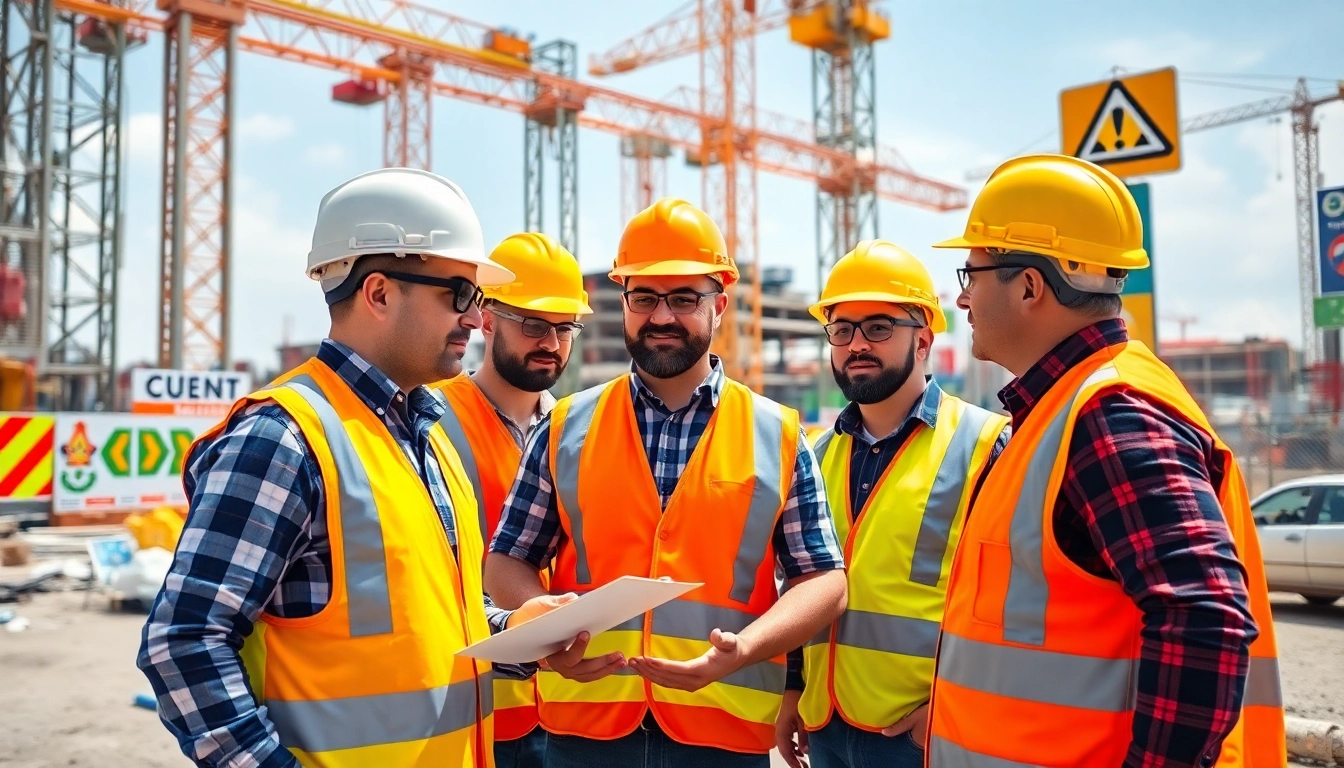
Introduction to New York City Construction Manager
In the bustling complexity of New York City’s urban landscape, the role of a New York City Construction Manager emerges as a cornerstone of successful development projects. This key figure oversees every phase of construction, ensuring that projects meet both aesthetic aspirations and functional needs while adhering to time, cost, and quality constraints. As urban centers continue to evolve, the construction manager’s expertise becomes increasingly vital in shaping not only the skyline but also the communities within it.
Understanding the Role
The New York City Construction Manager serves as the principal liaison between various stakeholders, including architects, engineers, contractors, and government agencies. With their finger on the pulse of ongoing developments, construction managers coordinate resources, schedules, and personnel to ensure smooth progress on projects ranging from high-rises to infrastructure developments.
Importance in Urban Development
Urban development in New York City is a formidable endeavor, shaped by both ambition and necessity. Construction managers play a pivotal role in moving forward projects that align with city planning initiatives, addressing housing shortages, enhancing infrastructure, and promoting sustainable practices. Their contributions help create spaces that enhance the quality of life for New Yorkers.
Key Qualifications and Skills
To succeed as a construction manager in New York City, professionals typically possess a degree in construction management, civil engineering, or a related field. Essential skills include project management, problem-solving, and an in-depth understanding of local regulations and zoning laws. Effective communication remains a fundamental asset, ensuring collaboration among diverse teams.
Challenges Faced by New York City Construction Manager
Regulatory Compliance Issues
New York City is known for its stringent building codes and zoning regulations. Navigating these compliance requirements is a significant challenge for construction managers. They must stay updated on laws and regulations while ensuring that projects conform to safety standards, environmental guidelines, and sustainable practices. Failure to meet these regulations can result in costly delays and legal implications, highlighting the need for meticulous attention to detail.
Managing Project Timelines
Urban construction projects often face the pressure of tight deadlines and unforeseen delays, such as adverse weather, labor disputes, or supply chain interruptions. A construction manager must have robust planning strategies in place to manage these factors effectively. Utilizing techniques such as Gantt charts and critical path analysis helps in tracking progress and ensuring timely completion.
Resource Allocation and Budgeting
Efforts to maintain budgetary constraints while allocating resources efficiently present another significant challenge. Construction managers are tasked with developing realistic budgets that encompass labor, materials, permits, and overheads. Regular financial monitoring and adaptive management strategies are critical to ensuring that resources are used wisely without compromising project quality.
Best Practices for New York City Construction Manager
Effective Communication Strategies
Effective communication is fundamental in construction management, particularly in a dynamic environment like New York City. Establishing clear communication channels among team members and stakeholders fosters collaboration and minimizes misunderstandings. Regular meetings, detailed project briefs, and proactive updates ensure that all parties remain informed and aligned with project goals.
Leveraging Technology for Project Management
Technological advancements are reshaping the construction industry, and construction managers must embrace these innovations. Tools such as Building Information Modeling (BIM), project management software, and drone technology enhance collaboration and streamline workflows. By leveraging these technologies, construction managers can improve efficiency, reduce errors, and enhance project visibility.
Safety Protocols and Regulations
Given the high stakes involved in construction, prioritizing safety protocols is essential. Construction managers must implement regular safety training, adhere to OSHA standards, and conduct frequent safety audits. A culture of safety not only protects workers but also reduces the risk of project delays and legal consequences.
Case Studies: Successful Projects Led by New York City Construction Manager
Iconic Skyscraper Developments
New York City is renowned for its iconic skyscrapers, where the role of construction managers is pivotal. Projects like One World Trade Center exemplify the level of detail and dedication required to manage such large-scale undertakings. From design coordination to managing subcontractors, construction managers ensure that the vision translates into reality without compromise.
Infrastructure and Transportation Projects
Infrastructure projects such as the East Side Access initiative have showcased the construction manager’s ability to navigate complex logistics and stakeholder interests. The challenge of integrating modern construction techniques with existing infrastructure requires careful planning and strategic execution, solidifying the construction manager’s role as a linchpin in urban development.
Community and Residential Developments
Community-focused projects, such as affordable housing developments, exemplify the construction manager’s impact on quality of life. Balancing budget constraints and community needs, construction managers help create spaces that are not only habitable but also enhance the social fabric of neighborhoods. Their work in these projects is directly tied to the economic and social progress of the city.
FAQs About the Role of New York City Construction Manager
What qualifications are needed for a construction manager?
A construction manager typically needs a degree in construction science or engineering, along with relevant experience and certifications.
How does a construction manager ensure project safety?
They enforce safety regulations, conduct regular training sessions, and maintain oversight on safety practices at the worksite.
What technologies do construction managers use?
Common technologies include project management software, drones for site surveys, and Building Information Modeling (BIM) tools.
How does a construction manager handle delays?
They assess the reasons for delays, communicate with stakeholders, and develop contingency plans to mitigate impacts on the project timeline.
What role does a construction manager play in budgeting?
A construction manager develops project budgets, monitors expenditures, and ensures that spending aligns with the allocated budget throughout the project lifecycle.