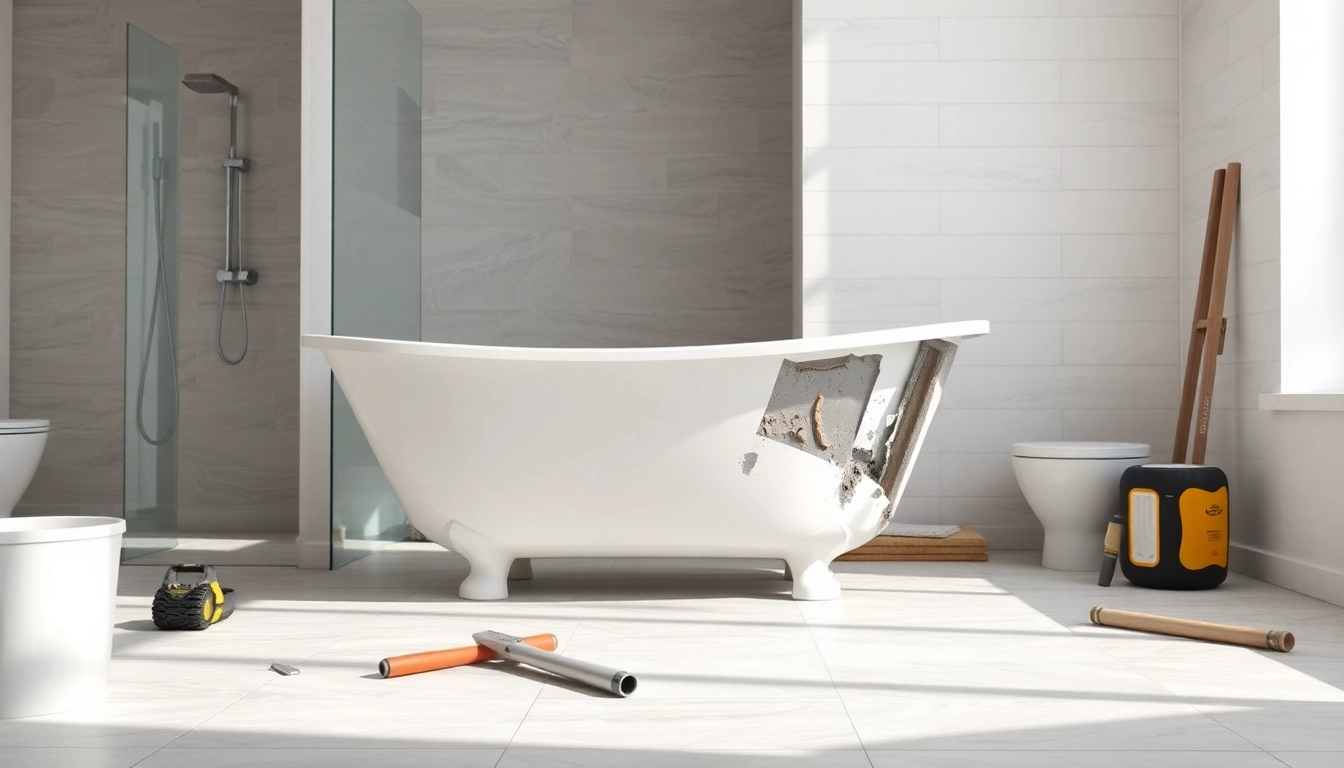
Understanding the Basics of Bath Reconstruction
What is Bath Reconstruction?
Bath reconstruction is a transformative process aimed at redesigning or refurbishing an existing bathroom to improve its functionality, aesthetics, and overall appeal. This procedure often includes significant alterations, such as updating fixtures, re-tiling, and possibly altering layout elements to optimize use of space. Engaging in a bath reconstruction project can turn an outdated and inefficient bathroom into a modern oasis tailored to your needs.
Key Benefits of Bath Reconstruction
There are numerous advantages to embarking on a bath reconstruction project, including:
- Enhanced Functionality: Updating the layout and fixtures can lead to better usability, accommodating modern lifestyles.
- Increased Home Value: Investing in a well-planned bath reconstruction can significantly elevate your property’s market value.
- Energy Efficiency: Modern fixtures are often designed to be more water-efficient, yielding cost savings on utility bills.
- Personalization: The opportunity to choose colors, materials, and designs according to personal taste ensures that the new bath space reflects your style.
- Improved Comfort: From heated floors to spa-like features, enhancements can create a more enjoyable bathing experience.
Common Materials Used in Bath Reconstruction
When reconstructing a bathroom, the materials selected can greatly influence both aesthetics and functionality. Common materials include:
- Tiles: Available in various styles and textures, tiles are popular for flooring and wall applications.
- Granite and Quartz: Often used for countertops, these materials provide durability and a modern look.
- Fiberglass: Commonly used in shower units and tubs, fiberglass is lightweight and easy to install.
- Wood: While not as common due to water exposure concerns, treated woods can be used for cabinetry or accent features.
- Glass: Glass panels for showers or decorative elements can enhance openness and light in a smaller space.
Planning Your Bath Reconstruction Project
Setting a Budget for Bath Reconstruction
Establishing a clear budget is crucial to avoid overspending during the reconstruction process. Consider the following factors:
- Labor Costs: Factor in expenses for hiring professionals if applicable.
- Materials: Choose materials that fit your aesthetic requirements without compromising quality.
- Unexpected Expenses: Always set aside a portion of your budget (10-20%) for unforeseen issues that may arise during reconstruction.
Choosing the Right Design Style
Your design choice will significantly influence the outcome of your bath reconstruction. Popular styles include:
- Modern: Characterized by minimalism and sleek lines, modern bathrooms often feature neutral tones and innovative materials.
- Rustic: Emphasizing natural materials and earthy colors, rustic designs create a cozy, familiar space.
- Traditional: Focused on classic patterns and ornate details, traditional bathrooms evoke a sense of timeless elegance.
- Contemporary: This style is ever-evolving, mixing design trends and materials for a cutting-edge look.
Hiring Professionals vs. DIY for Bath Reconstruction
Deciding whether to hire professionals or tackle the project yourself will depend on several factors:
- Skill Level: Assess if you have the necessary skills and knowledge required for complex tasks.
- Time Consideration: Professional contractors can achieve results more quickly due to their experience and resources.
- Quality of Work: Hiring professionals can guarantee a higher standard of work, reducing the chances of future issues.
Step-by-Step Guide to Bath Reconstruction
Preparing Your Space for Reconstruction
The first step in a successful reconstruction project is thorough preparation. This involves:
- Clearing the Area: Remove all personal items, furniture, and fixtures from the bathroom.
- Securing Plumbing and Electrical: Ensure that systems are secure and that you understand the layout of plumbing and electrical components.
- Making Design Decisions: Finalize design plans to avoid changes later that could incur extra costs.
Executing Initial Demo Work
Once the area is prepared, the next phase is demolition. Key points include:
- Safety First: Always wear protective gear, including gloves and goggles, when performing demo work.
- Careful Removal: Take care to remove old fixtures and tiles without damaging the underlying structure.
- Proper Disposal: Ensure that all debris is disposed of correctly, facilitating a clean work environment.
Installing Key Features in Bath Reconstruction
After demo work is complete, it’s time to install new features. This stage will involve:
- Plumbing and Electrical Work: Ensure any necessary adjustments or upgrades to plumbing and electrical lines are made by professionals.
- Install Fixtures: Begin installing larger items like tubs, showers, and sinks according to your design plan.
- Finishing Touches: After major installations, proceed to apply wall finishes and flooring, then install smaller accessories and fixtures.
Common Challenges in Bath Reconstruction
Addressing Plumbing Issues
Plumbing complications can often arise during a bath reconstruction. Watching for leaks, ensuring optimal water pressure, and making sure systems comply with local codes are essential steps. It’s prudent to have a qualified plumber on standby for expert consultation, especially for significant alterations.
Handling Unexpected Costs
Despite best laid plans, unexpected costs can emerge during reconstruction. Prepare for these possibilities by:
- Setting a Contingency Fund: Keep an extra 10% to 20% of your total budget aside.
- Regular Assessments: Frequently review your progress against the budget to mitigate expensive surprises.
Dealing with Design Limitations
Space constraints or existing architecture may limit your design options. Solutions include:
- Utilizing Space-Saving Fixtures: Opt for wall-hung toilets or vanities that take up less floor space.
- Mirror Usage: Placing mirrors strategically can create an illusion of space.
Final Touches and Maintaining Your New Bath
Choosing Accessories for Your Newly Constructed Bath
Accessories can enhance functionality and aesthetics. Consider the following:
- Storage Solutions: Shelving and cabinets are crucial for maintaining an organized space.
- Personal Touches: Decorative items such as candles, artwork, and plants can add character.
- Functional Decor: Select towels, rugs, and shower curtains that complement your design while serving practical purposes.
Maintenance Tips for Lasting Quality
Regular maintenance will preserve the quality and functionality of your reconstructed bath:
- Routine Cleaning: Use appropriate cleaning materials that won’t damage your fixtures.
- Check for Leaks: Regularly inspect for any signs of leaks or wear and tear.
- Professional Inspections: Schedule periodic assessments by professionals to ensure all systems are functioning properly.
Recognizing When to Reconstruct Again
Even after a bath reconstruction, you may face the need for future renovations. Indicators might include:
- Outdated Features: If fixtures become outdated again, consider a remodel.
- Changing Needs: As your lifestyle evolves, so may your bath requirements.
- Declining Condition: If fixtures show significant wear or malfunction, initiating a reconstruction may be necessary.
Frequently Asked Questions
What is the average cost of bath reconstruction?
The cost varies greatly based on project scope, materials, and labor. Generally, it can range from a few thousand to over ten thousand pounds.
How long does a bath reconstruction project typically take?
Most projects can take anywhere from one to four weeks, depending on the complexity and size of the renovation.
Can I stay in my home during reconstruction?
You can stay at home, but it may be inconvenient due to noise and limited access to water facilities. It’s often advised to arrange alternate accommodations.
Do I need permits for bath reconstruction?
Yes, many regions require permits for plumbing, electrical work, or significant structural changes. Always check local regulations.
What should I look for in a contractor for reconstruction?
Look for experience, positive reviews, proper licensing, and good communication skills to ensure a smooth reconstruction process.