Understanding Pool Chlorinators
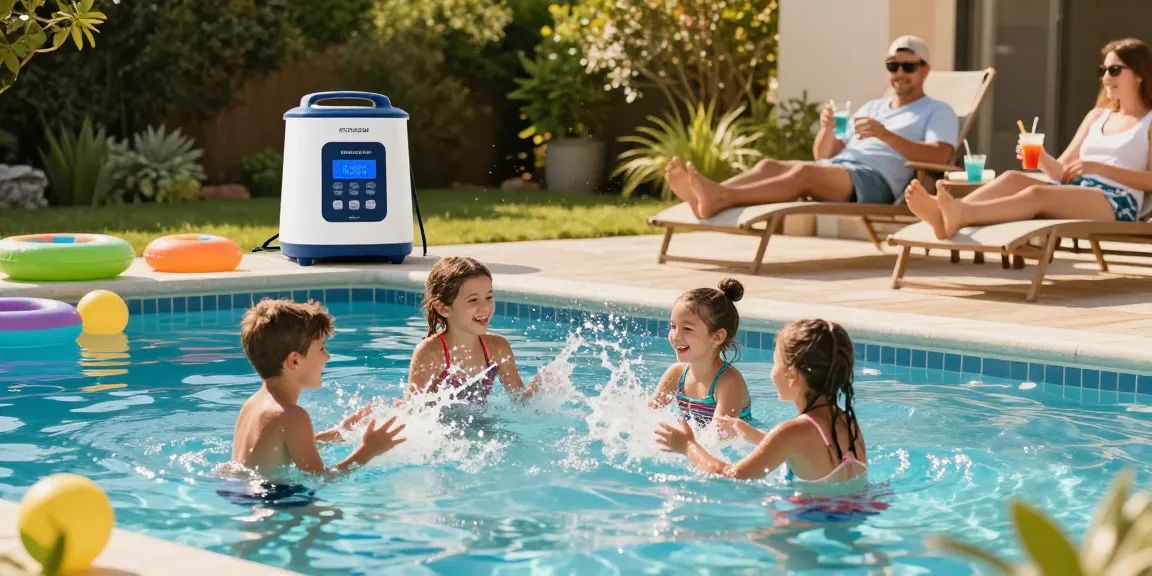
As pool ownership continues to rise in Australia, understanding how to maintain a clean and safe swimming environment is essential. One of the most effective tools in achieving this is the pool chlorinator. These devices automate the process of keeping your pool water sanitized, reducing the amount of manual labor required for maintenance. When exploring options, Best Pool Chlorinators offers comprehensive insights and an array of products to meet your chlorination needs.
What Are Pool Chlorinators?
A pool chlorinator is a device that generates chlorine for sanitizing pool water, primarily used in saltwater swimming pools. Instead of manually adding chlorine, the chlorinator converts dissolved salt (sodium chloride) in the water into chlorine through a process called electrolysis. This not only keeps the pool clean but also minimizes the need for harsh chemicals, making the maintenance process more conducive to your health and the environment.
How Do Chlorinators Work?
The operation of a chlorinator involves passing pool water through a chlorinator cell where electrolysis occurs. As electricity flows through the salt water, chlorine is produced, which then acts as a disinfectant to kill bacteria, algae, and other harmful organisms. The resulting chlorine levels are monitored by the chlorinator, which adjusts its output to maintain optimal water quality. This self-regulating feature is what makes chlorinators highly effective for pool maintenance.
Benefits of Using Salt Water Chlorinators
- Less Chemical Handling: With a chlorinator, there’s no need to manually handle hazardous chlorine products, making it safer for you and your family.
- Consistent Chlorine Levels: Saltwater systems produce a steady level of chlorine, reducing fluctuations that can lead to water quality issues.
- Gentler on Skin and Eyes: Many pool owners report that saltwater pools feel softer and are less irritating, making for a more pleasant swimming experience.
Top Picks for Best Pool Chlorinators
Those looking for high-quality chlorinators often turn to the K-Chlor Digital Gold Series, which is popular among Australian pool owners. Not only are these models praised for their reliability, but they also come equipped with advanced features designed for easy operation and maintenance.
Overview of K-Chlor Digital Gold Series
The K-Chlor Digital Gold Series includes several models catering to various pool sizes and needs. Each model features durable construction, a user-friendly control interface, and innovative self-cleaning cells that minimize maintenance requirements. The series is designed to operate efficiently even under varying Australian conditions, ensuring that your pool remains clean and safe throughout the swim season.
Comparative Analysis of KCHLOR Models
Here’s a brief comparison of the key models in the K-Chlor Digital Gold Series to help you decide which might suit your pool the best:
- KCHLOR KGS15: Ideal for smaller pools, with effective chlorine production for up to 15,000 liters.
- KCHLOR KGS20: Suits mid-sized pools, handling up to 20,000 liters with ease.
- KCHLOR KGS30: Designed for larger pools, offering robust performance for up to 30,000 liters.
- KCHLOR KGS50: Perfect for sizable residential pools, capable of servicing up to 50,000 liters.
User Reviews and Recommendations
Customer feedback highlights the reliability of K-Chlor units, with many users citing the ease of installation and maintenance as key benefits. Positive reviews emphasize the effectiveness of the self-cleaning feature, which significantly reduces operational hassles. Overall, homeowners appreciate the peace of mind knowing their pool water is being consistently sanitized without the effort usually required.
The Importance of Regular Maintenance
Owning a chlorinator comes with the responsibility of ensuring it’s regularly maintained for optimal performance. Understanding the signs that your chlorinator may need attention can help prolong its lifespan and maintain water quality.
Signs Your Chlorinator Needs Attention
- Inconsistent Chlorine Levels: If you notice fluctuating chlorine levels, it may indicate that your chlorinator isn’t functioning properly.
- Visible Scale Buildup: Calcium buildup on the chlorinator cell can impede performance; regular cleaning may be necessary.
- Strange Noises: Unusual sounds during operation can signal mechanical issues that require professional assessment.
How to Extend the Lifespan of Your Chlorinator
To ensure longevity, it’s essential to perform routine maintenance, such as inspecting and cleaning the chlorinator cell, checking salt levels, and ensuring proper water balance. Additionally, investing in a quality K-Chlor replacement cell can help maintain performance when the original part begins to wear out.
Choosing the Right Replacement Cells
When it comes time to replace the chlorinator cell, selecting a high-quality option is vital. The K-Chlor replacement cells are designed to fit perfectly with their respective models, ensuring compatibility and consistent chlorine production. Opting for genuine parts can also provide peace of mind, as they are backed by warranties and performance guarantees.
Installation Tips for Chlorinators
Proper installation of your chlorinator is crucial to its effective operation. Taking the time to prepare adequately can lead to a hassle-free installation experience.
Preparing Your Pool for Installation
Before installation, ensure your pool is clean, and all necessary tools are available. Review the manufacturer’s instructions and consider consulting a professional if required.
Step-by-Step Installation Guide
- Turn off the pool pump and electricity supply.
- Remove any existing chlorinator or any fittings that may obstruct the installation of the new unit.
- Install the K-Chlor unit according to the provided manual, ensuring all connections are secure.
- Fill the pool to the recommended level and reconnect the power supply.
- Turn on the system and check for leaks or errors in operation.
Common Pitfalls to Avoid
- Skipping user manuals can lead to installation errors.
- Failing to adequately clean the pool before installation can affect the chlorinator’s performance.
- Not adjusting settings based on pool size can result in insufficient chlorine production.
Future Trends in Pool Chlorination
The pool care industry is constantly evolving, and staying abreast of emerging trends can help you make informed decisions regarding your pool maintenance needs.
Innovations in Chlorinator Technology for 2026
As technology advances, chlorinators are becoming more intuitive and efficient. Features such as smartphone connectivity and automated diagnostics are making it easier for homeowners to monitor and manage their pool’s health remotely.
Environmental Benefits of Modern Chlorination Systems
Modern chlorination systems not only improve water quality but also emphasize eco-friendliness. With reduced reliance on harmful chemicals and energy-efficient designs, contemporary chlorinators are contributing to a greener environment.
Predictions for the Pool Care Industry
Looking ahead, we can expect further integration of smart technology in pool care. From automated monitoring systems to enhanced operational efficiency, the future of pool chlorination appears bright, ensuring pool owners maintain their pools with minimal effort while enjoying optimal water quality.
What is the best salt chlorinator for a pool?
The best salt chlorinator for your pool largely depends on its size and your specific needs. However, models like the K-Chlor Digital Gold Series have received positive feedback for their reliability and ease of use.
How long do chlorinator cells last?
Chlorinator cells typically last between 3 to 7 years, depending on usage, maintenance, and water chemistry. Regular care can help maximize their lifespan.
Can I use K-Chlor replacement cells in other brands?
While K-Chlor replacement cells are tailored specifically for K-Chlor systems, some cells may be compatible with other brands. Always check specifications and compatibility before use.
What maintenance does a saltwater pool require?
Maintaining a saltwater pool includes regular checks of the salt level, cleaning the chlorinator cell, monitoring pH and alkalinity levels, and ensuring proper filtration.
Are saltwater pools better for skin and eyes?
Many users find saltwater pools are gentler on the skin and eyes compared to traditional chlorinated pools. The lower chlorine levels resulting from saltwater systems often make for a more pleasant swimming experience.