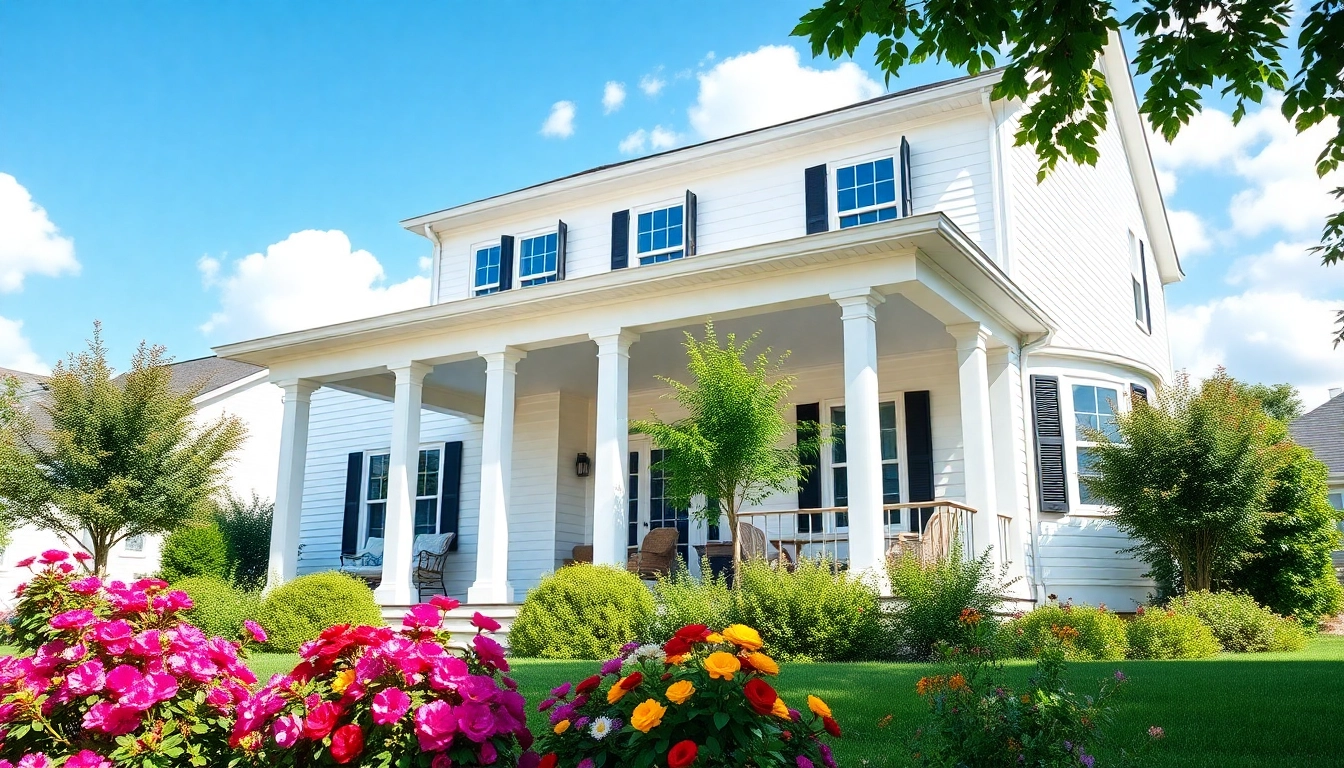
Understanding Colonial Home Renovation
Colonial homes are more than just structures; they embody rich histories and architectural narratives. As homeowners embrace the charm of colonial-style residences, the colonial home renovation process becomes a blend of preserving history while integrating contemporary conveniences. This article delves into the nuanced world of colonial home renovation, exploring its inherent challenges, benefits, and strategic planning to ensure that your remodeling project leaves a lasting impact.
History and Characteristics of Colonial Architecture
Colonial architecture originated in the 17th and 18th centuries and is characterized by styles reflective of the nations that settled in America, primarily the English, Dutch, Spanish, and French. Common features include symmetrical facades, gabled roofs, double-hung windows, and decorative elements such as friezes and porticos. Understanding these hallmarks is crucial for any renovation, as it guides decisions to maintain aesthetic authenticity while enhancing functionality.
Common Renovation Challenges
Renovating a colonial home is not without its obstacles. Many homeowners encounter structural issues, outdated electrical systems, and antiquated plumbing. Additionally, balancing modern upgrades with historical integrity can be challenging. Those undertaking renovations must be prepared to work within the framework of local historical preservation regulations, which may restrict certain alterations. Understanding these challenges ahead of time allows for better preparation and planning.
Benefits of Renovating Colonial Homes
Despite the challenges, the rewards of renovating a colonial home are significant. These projects can lead to enhanced property value, improved functionality, and increased energy efficiency. Historic homes evoke nostalgia and charm, which can appeal to potential buyers, making them excellent investments. Furthermore, this renovation process allows homeowners to tailor their living spaces according to modern living standards without sacrificing historical value.
Planning Your Colonial Home Renovation
Setting a Realistic Budget
Establishing a budget is crucial for any renovation project, especially for colonial homes where hidden costs can surface. Start by conducting a thorough assessment of the existing structure, which includes hiring professionals to evaluate the foundation, roofing, and electrical systems. Allocate funds for both expected and unexpected repairs, typically setting aside 10% to 20% of your total budget for contingencies. Thorough planning ensures that the project remains financially manageable and prevents delays.
Choosing the Right Design Elements
The essence of a colonial style lies in its specific architectural features—selecting the appropriate design elements is vital. Opt for materials and design features that echo historical authenticity, such as hardwood flooring, crown moldings, and vintage fixtures. When choosing colors, stick to a palette commonly used in colonial homes—earthy tones or muted pastels often work well. Additionally, interior spaces should flow gracefully, respecting the historical significance while ensuring modern livability.
Engaging Professionals vs. DIY
Deciding whether to engage professionals or undertake renovations yourself is a paramount consideration. While DIY renovations can save money, they often require substantial time and skill, particularly with historic homes that have unique characteristics and potential structural issues. Hiring professionals ensures that experts knowledgeable in historical renovations preserve the integrity of the home and adhere to local building codes, mitigating future problems.
Key Renovation Areas to Focus On
Updating Kitchens and Bathrooms
Kitchens and bathrooms are often the focal points in any home renovation. In colonial homes, the challenge lies in modernizing these spaces while maintaining their original charm. Consider upgrading fixtures and appliances for energy efficiency while retaining traditional styles. Classic cabinetry and farmhouse sinks pay homage to history, while still providing the conveniences of modern living.
Enhancing Curb Appeal
The exterior of a colonial home often sets the tone for the entire property. Enhancing curb appeal can involve restoring and painting the front door, landscaping with traditional plants, and reconditioning the facade. Consider features like shutters, which not only provide an aesthetic touch but also increase the home’s historic charm. Remember, the first impression counts; maintaining originality while incorporating modern touches creates more inviting exteriors.
Improving Energy Efficiency
Older homes often struggle with energy efficiency. It is essential to incorporate modern technologies without compromising on the historic allure. This can include installing high-efficiency windows, improving insulation, and replacing old heating systems with smart technology solutions. Moreover, sustainable materials can be integrated into the renovation without sacrificing aesthetics. Energy efficiency statements during renovations can impress future buyers and reflect responsible ownership.
Materials and Techniques for Colonial Home Renovation
Choosing Quality Finishes
The finishes selected during a renovation can dramatically influence the overall aesthetic and functionality of a colonial home. Opt for natural materials like granite or marble for countertops, reclaimed wood for floors, and hand-crafted tile for backsplashes. These choices not only emphasize quality and durability but also keep in line with the colonial aesthetic. Choosing finishes that resonate with the historical context of the home helps reinforce its charm.
Using Authentic Architectural Features
Integrating authentic architectural features salvaged from other colonial homes can add a unique charm and prevent a sterile feel. Elements like crown moldings, hand-carved banisters, and period-appropriate hardware can work magic in preserving the heritage of the home. Paying attention to detail ensures that the renovation respects the building’s history while enhancing its beauty and value.
Adapting Modern Technologies
Modern technologies do not need to clash with historical features. Smart home systems can be elegantly integrated into a colonial home without compromising its character. Consider features like smart thermostats, lighting control systems, and security devices that offer convenience and efficiency. The objective is to enhance livability while maintaining the unique aesthetic appeal that colonial homes possess.
Measuring Success After Renovation
Assessing Value Addition
Post-renovation, it’s vital to assess how much value the changes have added to the property. This can be done through appraisals and market analysis, considering the changes made in context to similar properties in the area. It’s important to keep track of the renovation costs versus the final value to determine the overall return on investment. This process not only aids future renovations but also establishes how much the home reflects a growth in equity due to quality renovations.
Gathering Feedback from Residents
Feedback from residents can provide invaluable insights into how successful the renovation has been in meeting their needs. Conduct surveys or informal discussions to gauge satisfaction levels concerning functionality, design appeal, and comfort. Analyzing this feedback can aid in making necessary adjustments or highlight aspects that worked particularly well, serving as guidance for future renovations.
Maintenance Tips for Longevity
Maintaining a colonial home post-renovation is essential to ensure longevity and continue reaping its benefits. Establish a regular maintenance schedule that includes inspections on the roof, plumbing, electrical systems, and exterior paint. Consider seasonal maintenance to prevent issues typically associated with older homes. Whether cleaning gutters or sealing windows, proactive measures can protect your investment and preserve the home’s character and charm.
Frequently Asked Questions
What is a Colonial Home?
A Colonial home is characterized by its symmetrical design, gabled roofs, and centered front doors, reflecting architectural styles from the early settlement years in America.
How Do I Choose a Color Scheme for a Colonial Home?
Consider traditional colors like muted earth tones and pastels that were historically used. Testing swatches in various lighting can also help choose the right palette for your home.
What Are Important Renovations for Colonial Homes?
Focusing on kitchens and bathrooms, enhancing curb appeal, and improving energy efficiency are crucial renovations that modernize while preserving the home’s historic charm.
Should I Hire Professionals for Renovation?
Hiring professionals is advisable for structural work or historic preservation. Experts ensure adherence to regulations while preserving the home’s integrity and value.
What Maintenance is Required for Colonial Homes?
Regular maintenance includes checking roofing, plumbing, and electrical systems, along with seasonal inspections and preventive measures to maintain the home’s aesthetic and structural integrity.