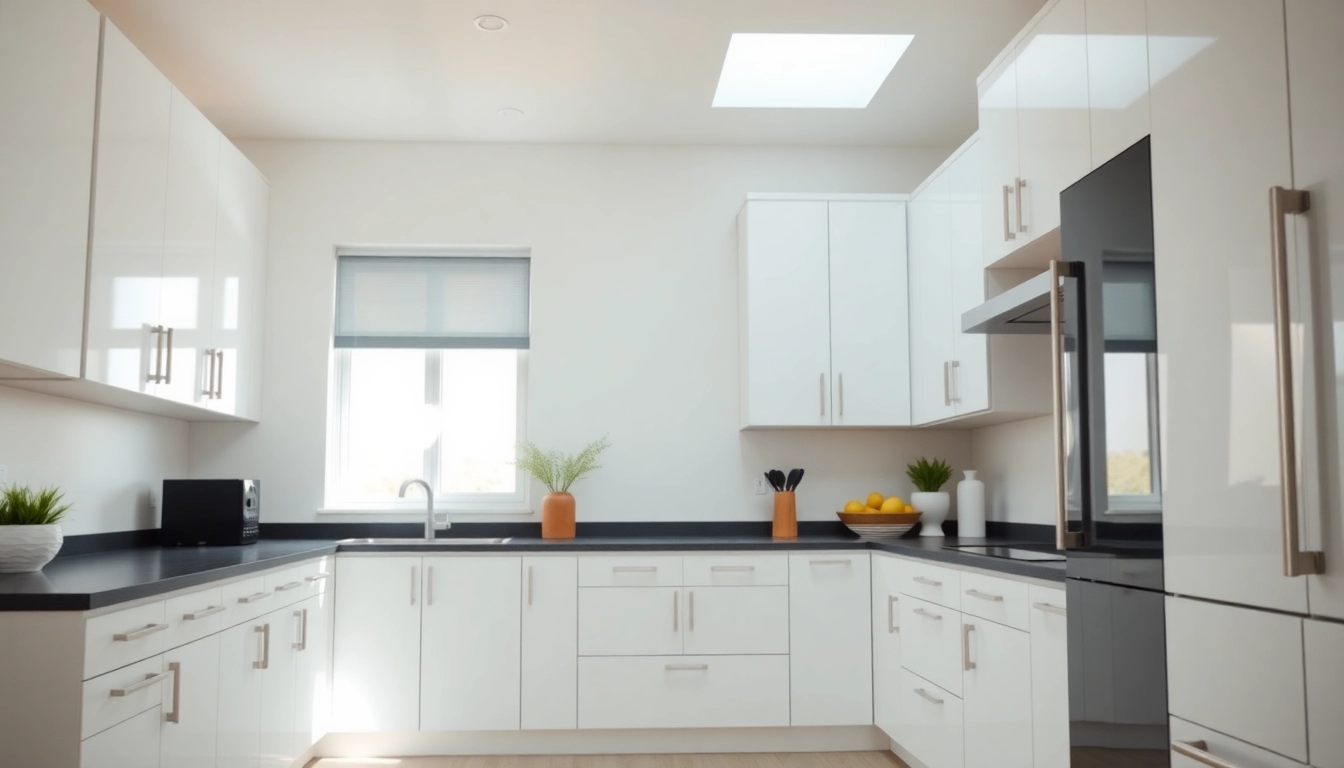
Understanding the Role of Flooring Specialists
When it comes to enhancing the beauty and functionality of your home, choosing the right flooring is crucial. Flooring specialists are experts who provide a range of services tailored to meet the unique needs of homeowners. These professionals not only assist in selecting the ideal flooring materials but also ensure quality installation and maintenance. Whether you’re renovating a single room or your entire home, engaging with local specialists can streamline the process and provide peace of mind. For those searching for options nearby, Flooring specialists near me offer localized expertise to help you make informed decisions.
What Services Do Flooring Specialists Provide?
Flooring specialists offer an array of services that can simplify your flooring project. Here are some of the key services they typically provide:
- Consultation: Flooring specialists assess your space and help you understand your options, incorporating factors such as design, functionality, and budget.
- Material Selection: They assist in the selection of materials that fit your needs, whether you prefer hardwood, laminate, carpet, or vinyl.
- Installation: Professional installation is crucial for ensuring durability and aesthetic appeal. Specialists have the skills and tools needed for a flawless installation.
- Maintenance and Repair: Beyond installation, many specialists offer maintenance services to prolong the life of your flooring and repair services if issues arise.
Benefits of Hiring Flooring Specialists Near Me
Opting for local flooring specialists brings several advantages, including:
- Personalized Service: Local specialists understand regional preferences and can provide tailored recommendations.
- Accessibility: Having a local expert means easier communication and quicker response times in case of concerns or questions.
- Community Support: Supporting local businesses helps strengthen the community and can lead to better service and accountability.
Common Misconceptions About Flooring Specialists
Despite their many benefits, misconceptions about flooring specialists can lead to hesitation in hiring them. Here are a few common myths:
- High Costs: Many believe that hiring a flooring specialist is significantly more expensive than DIY options, but the long-term benefits often outweigh initial costs.
- Limited Options: Some think specialists are biased towards high-end materials, but they can offer a range of options that suit various budgets.
- DIY is Just as Good: While DIY projects can be appealing, they often lead to mistakes that can be costly in the long run. Professionals bring expertise that ensures a quality finish.
Choosing the Right Flooring Type for Your Needs
Selecting the appropriate flooring type is vital to achieving the desired look and feel in your space. Different materials offer unique benefits and drawbacks, making it essential to weigh your options carefully.
Comparing Hardwood, Carpet, and Vinyl Flooring
When considering flooring options, hardwood, carpet, and vinyl stand out as popular choices. Here’s a breakdown of each:
- Hardwood Flooring: Offers timeless beauty and enduring value. It’s easy to clean and maintain, but can be susceptible to scratches and dents.
- Carpet: Provides warmth and comfort underfoot, ideal for bedrooms and living areas. However, it may require more frequent cleaning and can trap allergens.
- Vinyl Flooring: Known for its durability and water resistance, vinyl is suitable for high-traffic and moisture-prone areas like kitchens and bathrooms. Advancements in design also allow for more aesthetic options.
Local Trends in Flooring Preferences for 2026
As we move into 2026, certain flooring trends are emerging based on consumer preferences and technological advancements:
- Eco-Friendly Materials: Sustainable flooring options are gaining popularity, with many homeowners opting for bamboo, cork, and recycled materials.
- Luxury Vinyl Plank (LVP): This style is favored for its ability to mimic natural materials while being cost-effective and easy to maintain.
- Wide Plank Designs: Wider planks in hardwood and laminate are trending, offering a modern and spacious look.
Factors to Consider When Selecting Flooring Materials
Choosing the right flooring involves several considerations:
- Durability: How well will the flooring hold up in high-traffic areas?
- Style: Does it match your home decor and personal taste?
- Maintenance: What level of upkeep will the flooring require over time?
- Budget: Can you afford the initial installation as well as the long-term maintenance costs?
The Importance of Professional Installation
While it may be tempting to tackle flooring installation as a DIY project, professional installation is crucial for several reasons:
Why You Should Avoid DIY Flooring Projects
DIY projects often lead to mistakes that can result in a poor finish, increased costs, and wasted materials. Here are some reasons to hire professionals:
- Expertise: Professionals have the knowledge to handle potential issues such as subfloor preparation and uneven surfaces.
- Time Efficiency: Experts complete installations faster, minimizing disruptions to your daily life.
- Warranty Protection: Many flooring manufacturers require professional installation to maintain warranties on their products.
Steps in the Flooring Installation Process
The installation process is systematic and usually includes the following steps:
- Measurement: Accurate measurements of the space ensure that the right amount of flooring is purchased.
- Subfloor Preparation: The subfloor must be cleaned, leveled, and sometimes repaired to accommodate new flooring.
- Installation: Professionals lay the flooring according to manufacturers’ guidelines, ensuring alignment and precision.
- Finishing Touches: This includes trimming edges, installing moldings, and making sure everything is clean and tidy.
Maintenance Tips Post-Installation from Local Experts
To prolong the life of your flooring, adhere to these maintenance tips provided by local experts:
- Regular Cleaning: Sweep or vacuum frequently to remove dirt and debris.
- Immediate Spill Management: Wipe up spills promptly to prevent damage, especially with hardwood and carpet.
- Use Rugs: Place mats at entryways to reduce wear and tear on your flooring.
Cost Considerations for Flooring Projects
Understanding the financial aspects of flooring projects can help you make informed decisions. Costs can vary widely depending on materials and installation methods.
Breaking Down Costs: Materials vs. Labor
When budgeting for flooring, it’s essential to differentiate between material costs and labor costs:
- Materials: Prices can vary based on the type of flooring. For example, hardwood tends to be pricier than vinyl.
- Labor: Professional installation may range from $1 to $4 per square foot depending on complexity and location.
Budgeting for Flooring Installations in 2026
As flooring trends evolve, so do costs. To budget effectively:
- Research current material prices in your area.
- Factor in additional costs such as padding, underlayment, and trims.
- Consider potential discounts or package deals offered by flooring specialists.
How to Get Accurate Quotes from Flooring Specialists
To ensure you receive accurate pricing from contractors:
- Request detailed quotes that break down all costs.
- Ask about additional fees such as disposal of old flooring.
- Clarify warranty and after-service conditions included in the quotes.
Future Trends in Flooring and Design
As the flooring industry looks toward the future, several trends are gaining traction that can influence your selection:
Innovative Flooring Solutions on the Rise
New technologies are changing the landscape of flooring:
- Smart Flooring: Innovations include floors that monitor foot traffic and adjust their surface textures accordingly.
- 3D Printed Flooring: Custom designs are becoming more accessible through advanced printing techniques.
Sustainability Trends in Flooring Materials
Increasingly, consumers are leaning towards sustainable flooring solutions:
- Recycled Materials: Many manufacturers are now producing flooring from repurposed materials.
- Eco-Friendly Certifications: Look for products with certifications that ensure low environmental impact.
Expert Predictions for Flooring Styles in 2026
Experts predict that the following styles will dominate:
- Neutral Tones: Grays and beiges will continue to be favored for their versatility.
- Textured Finishes: Textured flooring that adds depth and interest is expected to rise in popularity.
What Should I Look for in a Flooring Specialist?
When searching for a flooring expert, consider the following factors:
- Experience: Look for specialists with a proven track record in the types of flooring you’re considering.
- Customer Reviews: Check online reviews and testimonials for insights into their services.
- Licensing and Insurance: Ensure they are properly licensed and insured to protect yourself from liability.
How to Prepare for a Flooring Consultation?
To maximize your consultation:
- Bring photos or samples of flooring you like.
- Have a clear budget in mind.
- Be prepared to discuss your lifestyle and how flooring choices will accommodate your needs.
What Are the Most Popular Flooring Options This Year?
The current favorites include:
- Engineered hardwood for its resilience.
- Luxury vinyl for its affordability and variety.
- Carpet tiles for versatility in installation.
How Do I Care for My New Floors?
Caring for new flooring should be a priority to maintain its appearance:
- Adopt a cleaning routine tailored to your flooring type.
- Use the appropriate cleaning products to avoid damage.
- Implement protective measures such as furniture pads.
What Should I Expect During a Flooring Installation?
During installation, expect the following:
- Preparation of the site, including moving furniture and clearing the area.
- Professional installation lasting from a few hours to several days depending on the square footage.
- A thorough walkthrough upon completion to ensure satisfaction.
How Can I Confirm the Quality of Flooring Materials?
To verify material quality:
- Check for certifications and warranties from manufacturers.
- Research brand reputation through reviews and ratings.
- Examine samples carefully, looking for consistency and defects.